
Service
Transformer magnetic core repair
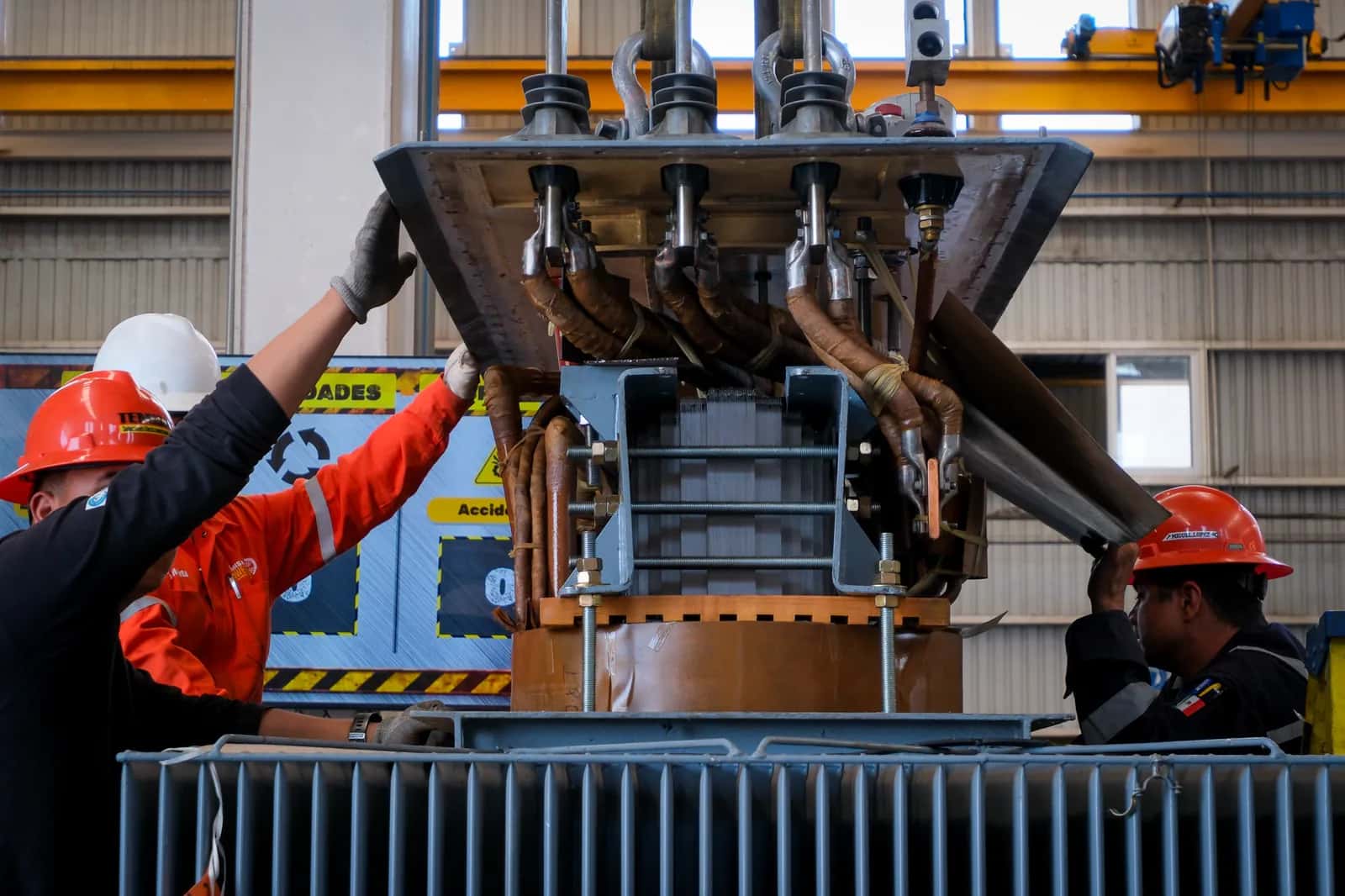
Repair of the magnetic core: shorted laminations, core ground faults and restacking, diagnosed with excitation current and core-loss testing.
The magnetic core carries the flux that makes a transformer work, and its defects — shorted laminations, a defective core ground, mechanical loosening — cause overheating and rising losses. TEVKO diagnoses and repairs core problems on transformers of any manufacturer, validated with excitation current and core-loss testing.
The core is built from thin insulated steel laminations to keep eddy-current losses low. When the inter-laminar insulation degrades and laminations short together, or when the core develops an unintended second ground, circulating currents flow and the core overheats locally — generating gases, raising losses and, left unattended, damaging the surrounding insulation. These are exactly the faults that excitation current and core-loss measurements expose.
Repair depends on the defect: clearing or isolating shorted laminations, locating and correcting a defective or multiple core ground, and re-tightening or restacking sections of the core that have loosened mechanically. Core work is often done together with a rewind, since accessing the core means lifting the windings — which is why a precise diagnosis up front decides the scope efficiently.
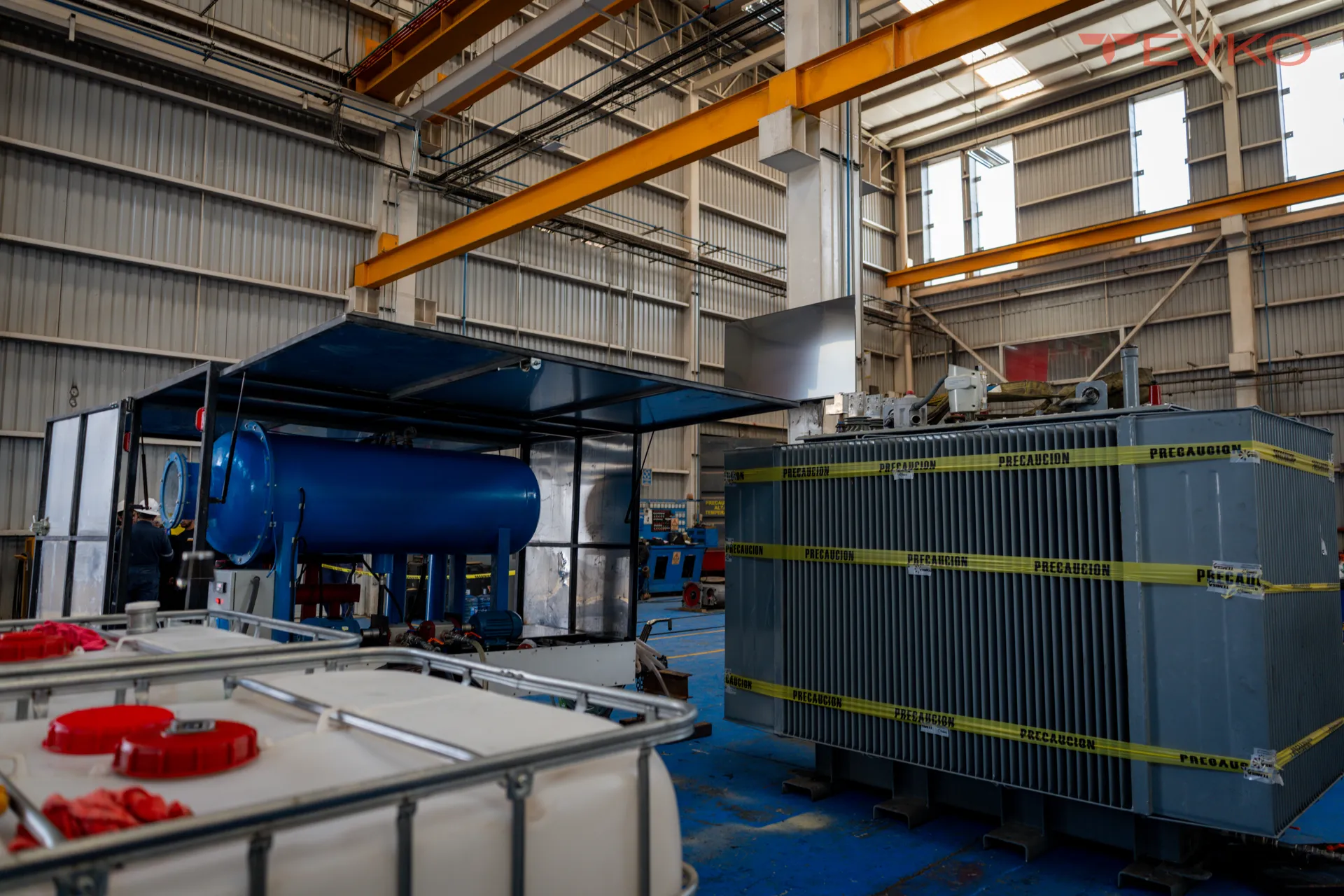
TEVKO repairs transformer cores in its 5,600 m² plant, diagnosing with excitation current, core-loss and insulation tests using Omicron and Megger instrumentation, and validating the repair under IEEE C57 and IEC 60076 before reassembly. As an independent multi-brand provider, TEVKO does not manufacture transformers; it restores the core so the unit returns to the performance the manufacturer specified, with a documented protocol.
Scope of core repair
Shorted laminations / core ground
Clearing or isolating shorted laminations and correcting defective or multiple core grounds.
When it applies: Local overheating, rising core loss, gas generation.
Restacking
Re-tightening or restacking sections of the core that have loosened mechanically.
When it applies: Mechanical loosening after transport or through-faults.
How we execute the repair
Diagnosis
Excitation current, core-loss and core-ground insulation tests to characterize the defect.
Access
Controlled disassembly to reach the core, often combined with winding work.
Repair
Lamination/ground correction or restacking to specification, with drying.
Acceptance testing
Excitation current and the full protocol verified before reassembly and return to service.
Frequently asked questions — transformer magnetic core repair
What core faults can a transformer develop?
Shorted laminations (from degraded inter-laminar insulation), a defective or unintended second core ground, and mechanical loosening of the core stack. All of them cause local overheating and rising losses, detectable with excitation current and core-loss testing.
How are core problems diagnosed?
Mainly with excitation current and core-loss measurements, complemented by core-ground insulation tests and dissolved gas analysis (overheating generates characteristic gases). The pattern points to whether the issue is laminations, grounding or mechanical.
Is core repair done together with a rewind?
Often, yes. Accessing the core requires lifting the windings, so core work is frequently combined with a rewind. A precise diagnosis up front defines the efficient scope before disassembly.
Does TEVKO manufacture cores or transformers?
No. TEVKO is an independent, multi-brand service provider: it diagnoses and repairs magnetic cores and other components, but does not manufacture transformers. The repair restores the unit to its specified performance.
Transformer magnetic core repair in images

Related services and tests
Talk to a transformer specialist
Tell us about your asset so we can define the assessment scope and prepare a tailored quote.