
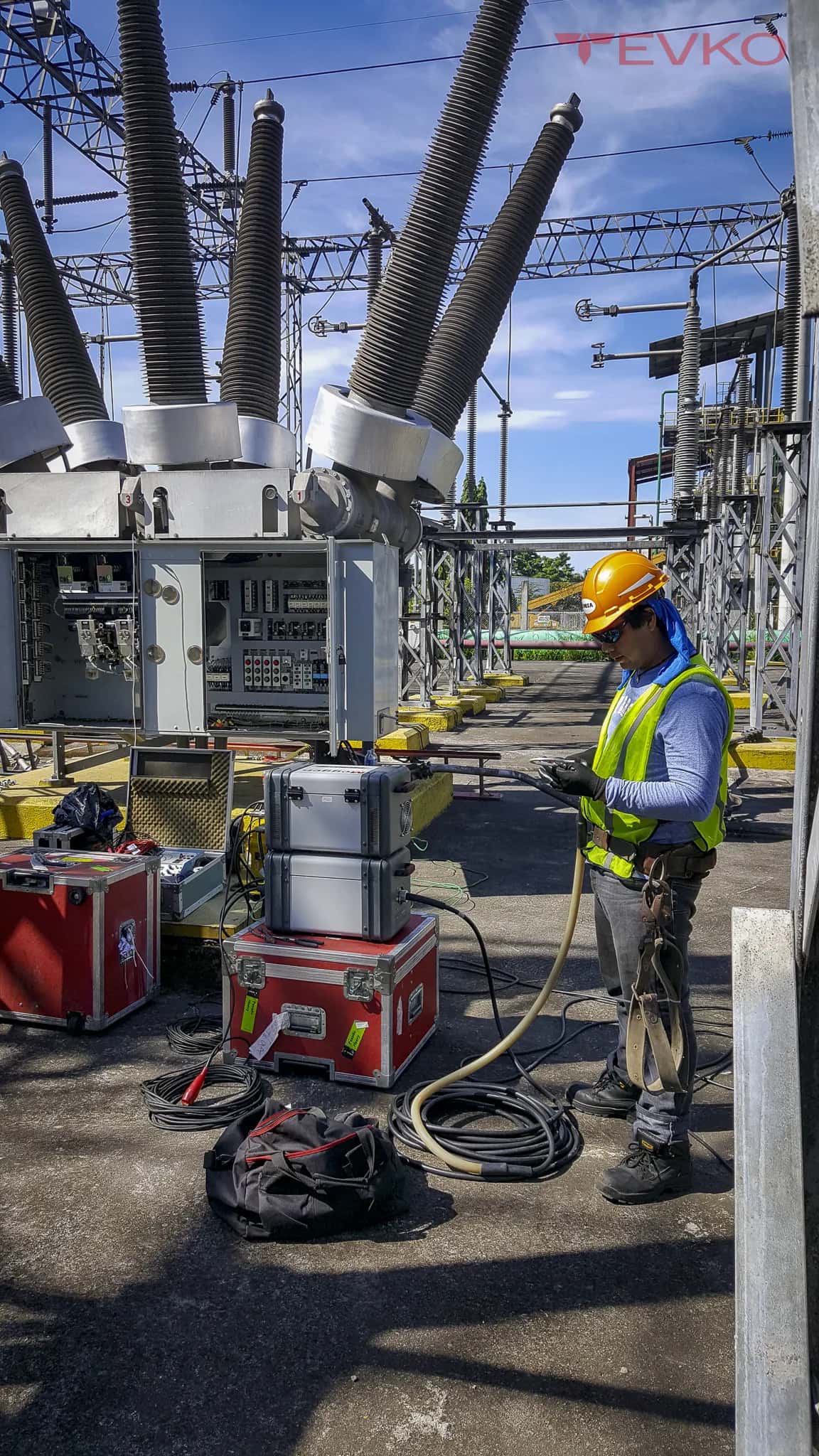
Electrical test
Sweep frequency response analysis (SFRA)
SFRA test that detects mechanical deformation and displacement of windings and core — invisible to conventional electrical tests — after short circuits, transport or earthquakes.
Sweep frequency response analysis (SFRA) is a sensitive diagnostic method for detecting changes consistent with mechanical deformation or displacement of windings and core. It captures the transformer's electromechanical 'fingerprint' and compares it against a reference to reveal damage invisible to conventional electrical tests.
Every transformer has a unique frequency response, determined by the geometry of its windings and core — its internal network of inductances and capacitances. SFRA injects a sweep signal (Hz to MHz) and records that fingerprint.
A through-fault short circuit, a knock during transport or an earthquake can deform or displace the windings without altering the turns ratio or insulation resistance. SFRA is sensitive to that mechanical damage: any change in geometry shifts the response curves relative to the reference.
Interpretation is comparative: against the factory fingerprint (if it exists), against the other phases of the same transformer, or against a sister unit. At TEVKO we capture the baseline with Omicron and archive it, so every critical transformer has its reference for future comparisons after events.
What SFRA diagnoses
Winding deformation
Axial or radial movement of windings after a through-fault or nearby fault.
When it applies: After fault events with high current.
Displacement from transport/earthquake
Geometry changes from knocks during transport or seismic events.
When it applies: Receipt of a relocated transformer or post-earthquake.
How we run the test
Connection
Transformer de-energized and isolated; measurement phase by phase on high and low side.
Sweep
Frequency sweep signal injection and recording of the response fingerprint.
Comparison
Against factory baseline, between phases or against a sister unit.
Diagnosis
Identification of the affected band and the type of mechanical damage.
Frequently asked questions — sweep frequency response analysis (sfra)
What does the SFRA test detect that others don't?
It detects mechanical deformation and displacement of windings and core. A transformer can pass TTR, insulation resistance and power factor and still have deformed windings from a short circuit or transport knock; SFRA complements leakage reactance, winding resistance, other electrical tests and inspection; interpretation requires suitable references.
When is an SFRA recommended?
After a through-fault or nearby fault, after transporting or relocating the transformer, after an earthquake, and as a baseline reference for critical assets. Also before and after a major rehabilitation to verify the intervention did not alter the internal geometry.
How is the SFRA result interpreted?
It is comparative: the response curve is contrasted against the factory fingerprint, against the other phases of the same transformer, or against a sister unit. Deviations in specific frequency bands indicate the type of problem (axial movement, radial deformation, core or connection fault).
Is it worth taking a baseline even if the transformer is healthy?
Yes, very much. SFRA is comparative: having the fingerprint of a healthy transformer allows a confident diagnosis after a future event. We recommend archiving the baseline of every critical asset while it is in good condition.
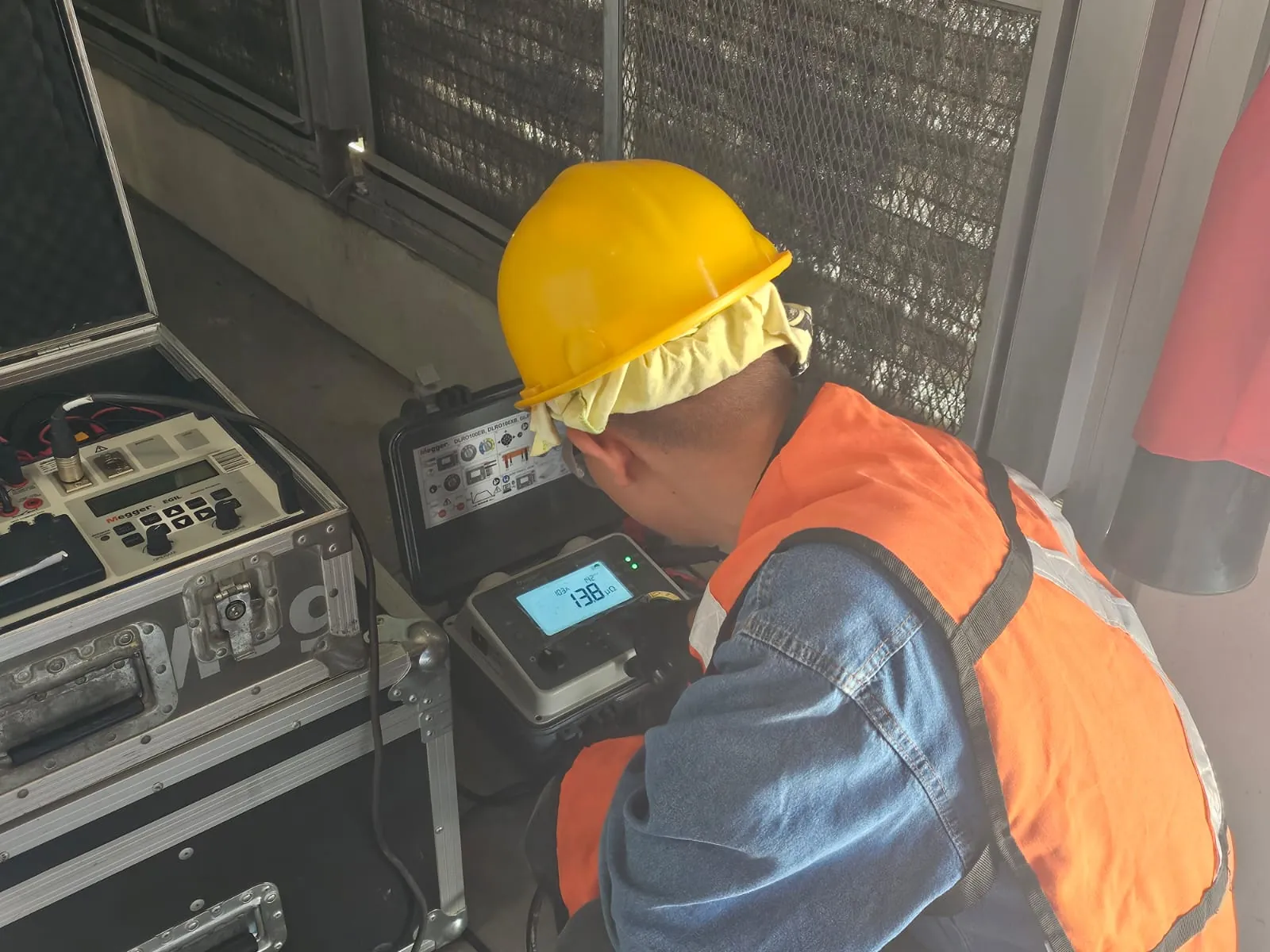
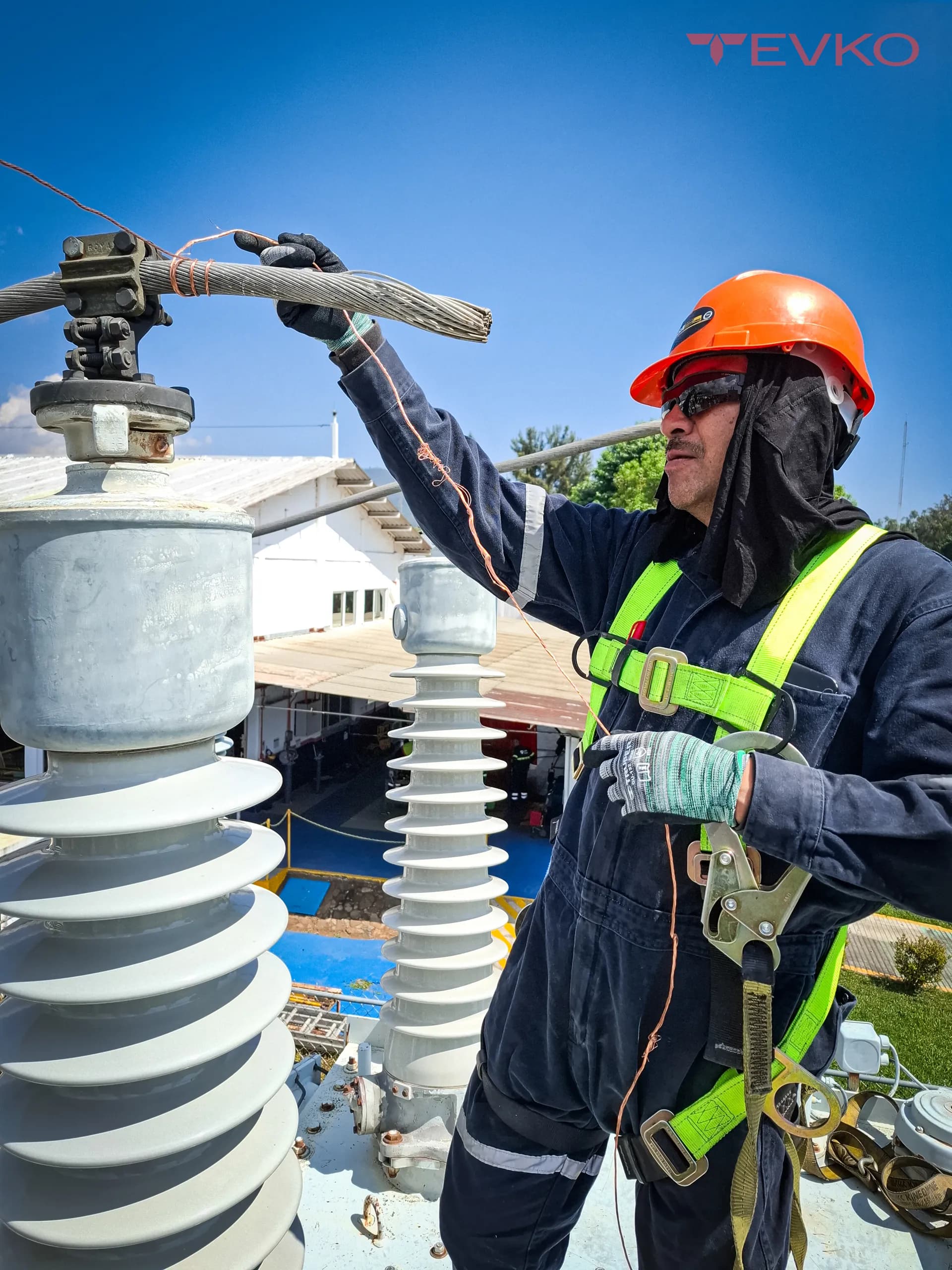
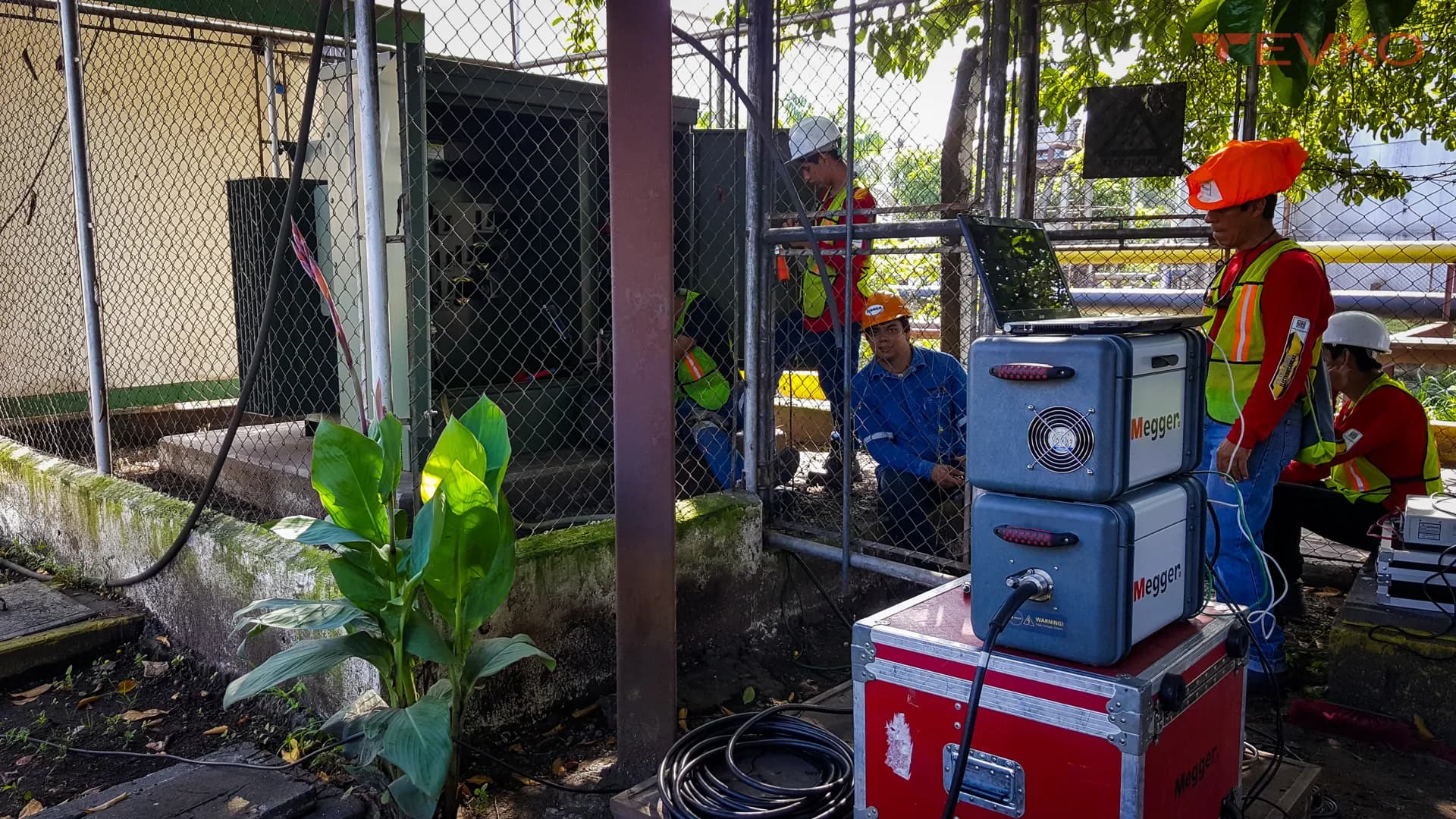
Sweep frequency response analysis (SFRA) in images

Related tests and services
Talk to a transformer specialist
Tell us about your asset so we can define the assessment scope and prepare a tailored quote.