
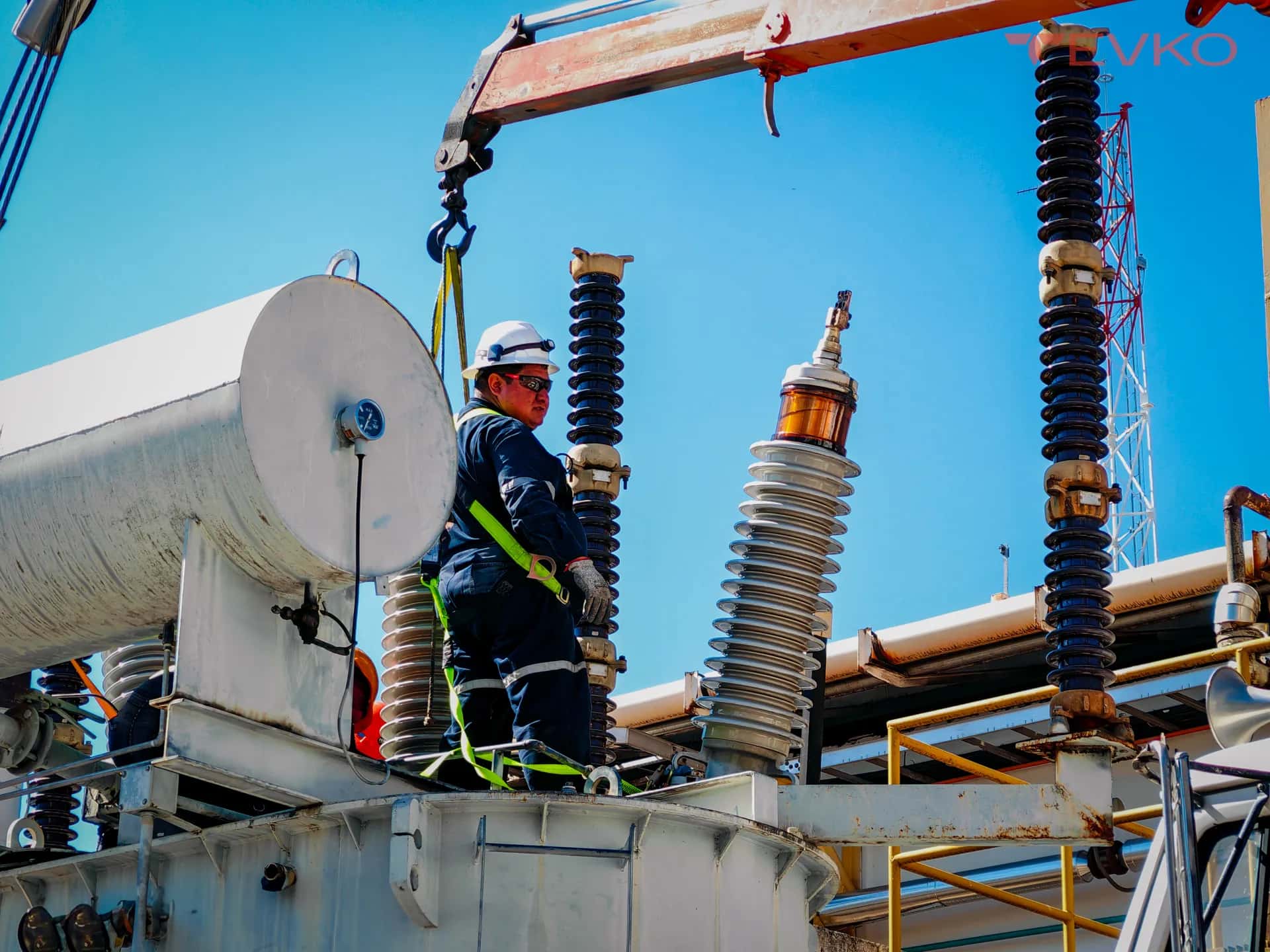
Service
Substation maintenance
Maintenance and integration of MV and HV substations up to 230 kV: breakers, protection, instrument transformers and documented commissioning.
Operational continuity for your substation. We maintain the primary and secondary equipment of MV/HV substations — from the power transformer to the protection relays — under a checklist and a documented protocol.
A substation is a system of systems: the power transformer, breakers, instrument transformers, boards, protection and the grounding and control infrastructure. Maintaining it well means going through all of them in order, not just the most visible one.
Our scope covers the power transformer (oil, bushings, electrical tests), the breakers (mechanism, contact resistance, timing, extinguishing medium), the boards and cells (cleaning, re-torque, insulators, interlocks), and the protection and control (relay testing, instrument transformers, batteries, coordination).
Everything is executed under safety procedures (lockout/tagout, verification of de-energization, temporary grounding), and closes with a documented protocol by component.
What we maintain
Primary equipment
Power transformer, breakers, disconnectors, instrument transformers and busbars.
When it applies: Scheduled substation maintenance.
Protection & control
Relay testing, instrument transformers, control batteries and coordination.
When it applies: Verification of protection functions.
How we execute the service
Safety
Lockout/tagout, verification of de-energization and temporary grounding.
Inspection & testing
Component-by-component checklist with precision instrumentation.
Intervention
Cleaning, re-torque and correction of findings.
Protocol
Documented report by component with recommendations.
Frequently asked questions — substation maintenance
How often should an MV substation be maintained?
The schedule must be documented against the manufacturer's instructions, asset condition and trends, load, environment, history and failure consequences. Engineering must justify the program and reassess it when anomalies appear; this page does not prescribe a universal interval.
What is checked on the breakers?
Operating mechanism, contact resistance, opening/closing times, condition of the extinguishing medium (vacuum or SF6) and lubrication.
Why include thermography?
It detects loose connections and hot spots with the equipment energized, before the outage, prioritizing where to intervene.
Do you test the protection?
Yes: relays are verified and, where applicable, tested by secondary injection; instrument transformers, control batteries and protection coordination are reviewed.
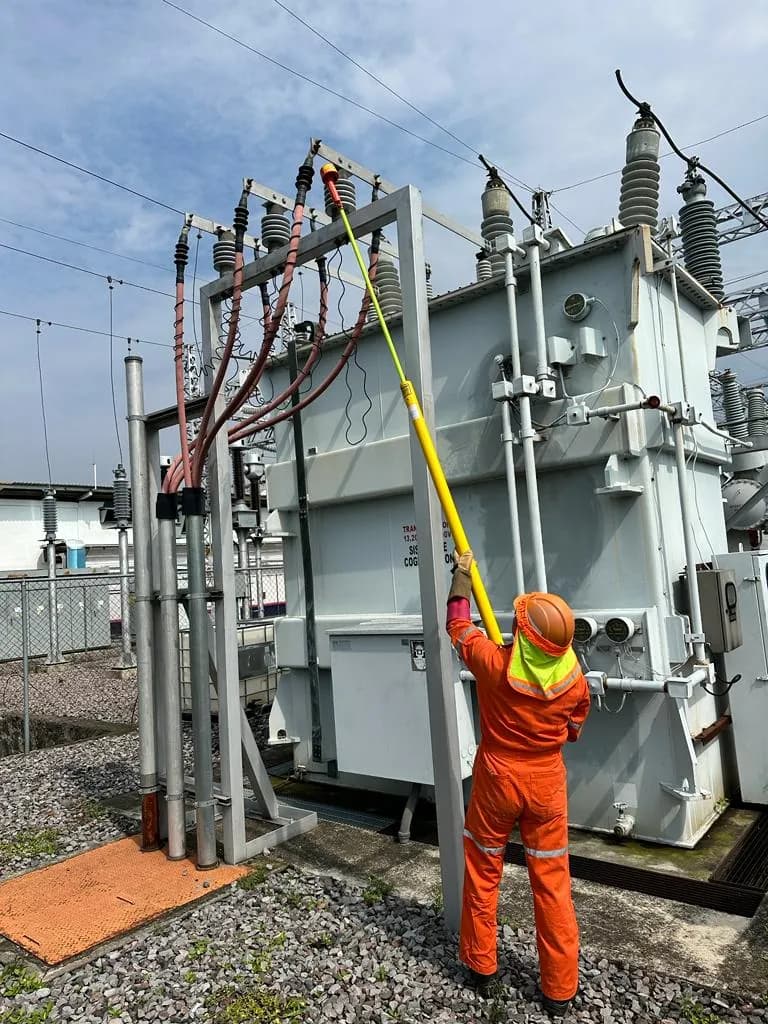
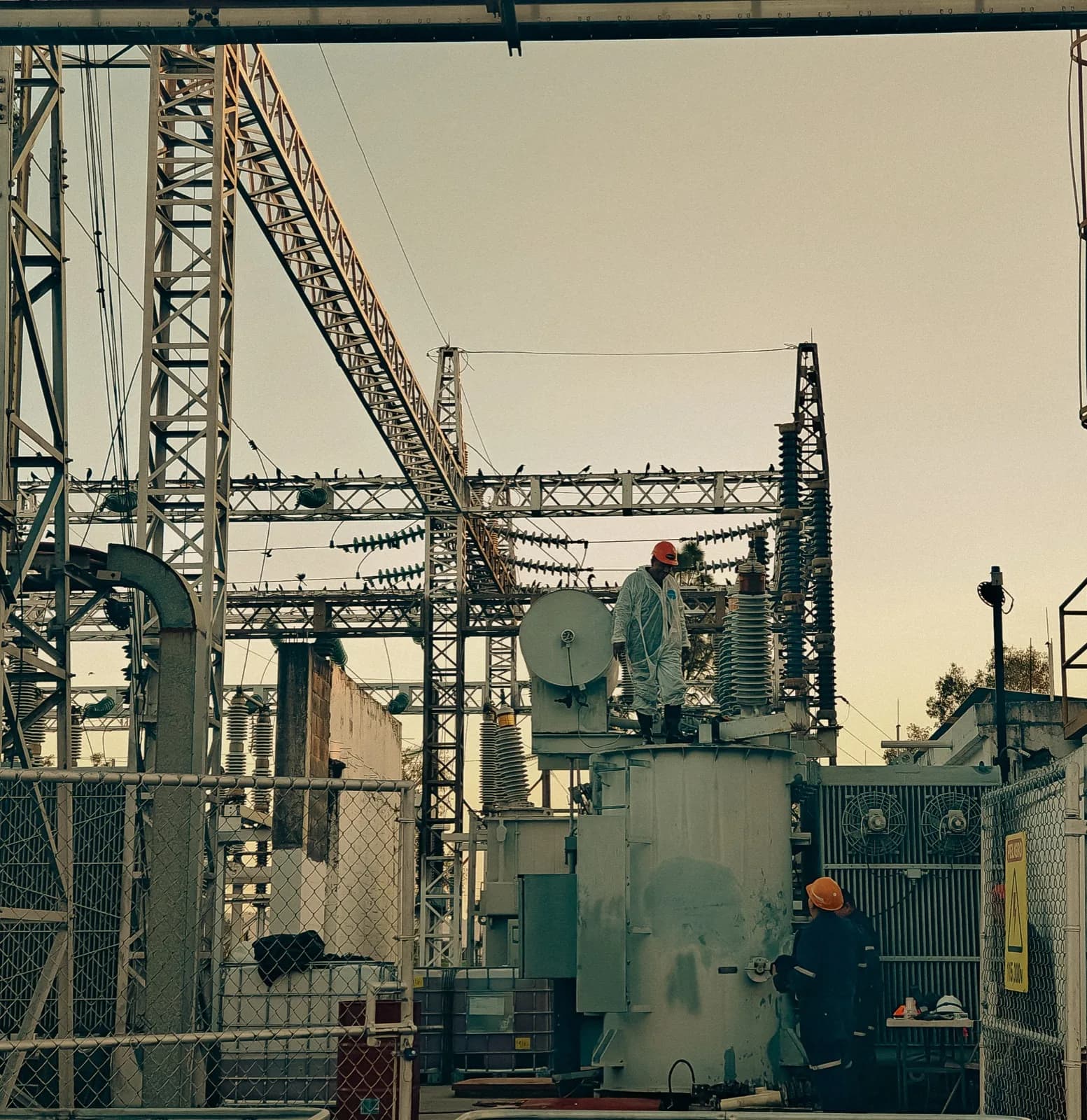
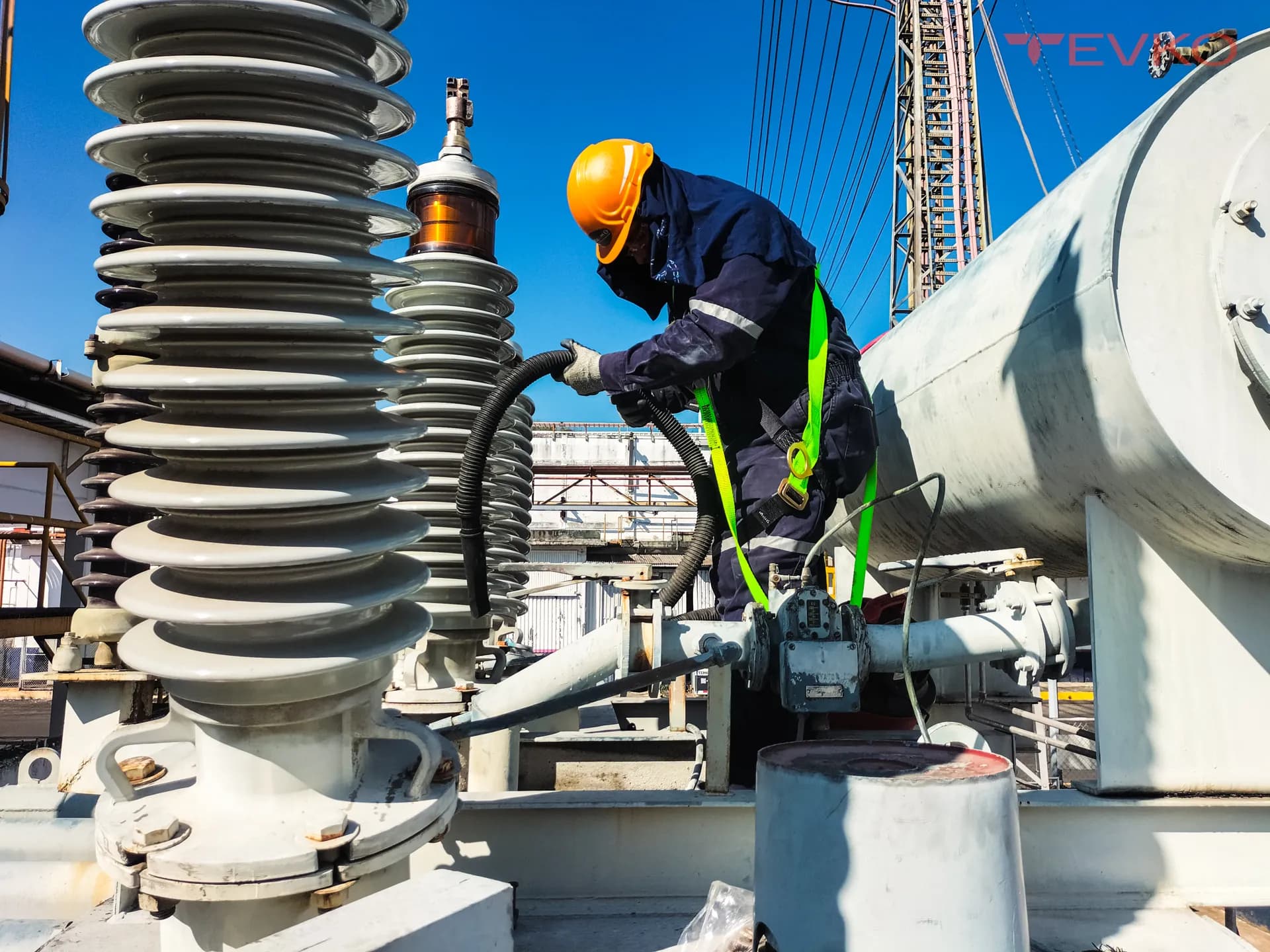
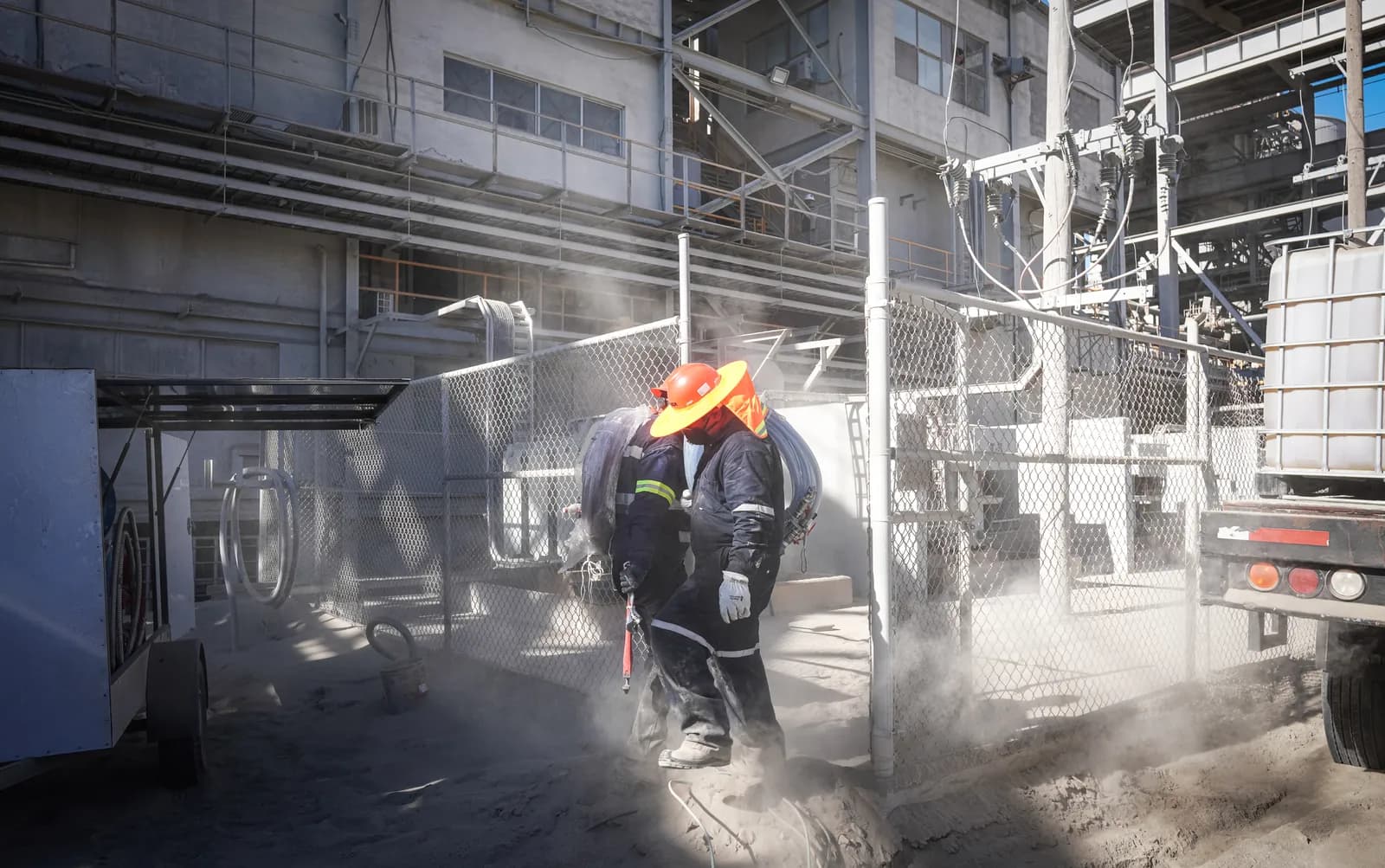
Substation maintenance in images


Related services
Talk to a transformer specialist
Tell us about your asset so we can define the assessment scope and prepare a tailored quote.