
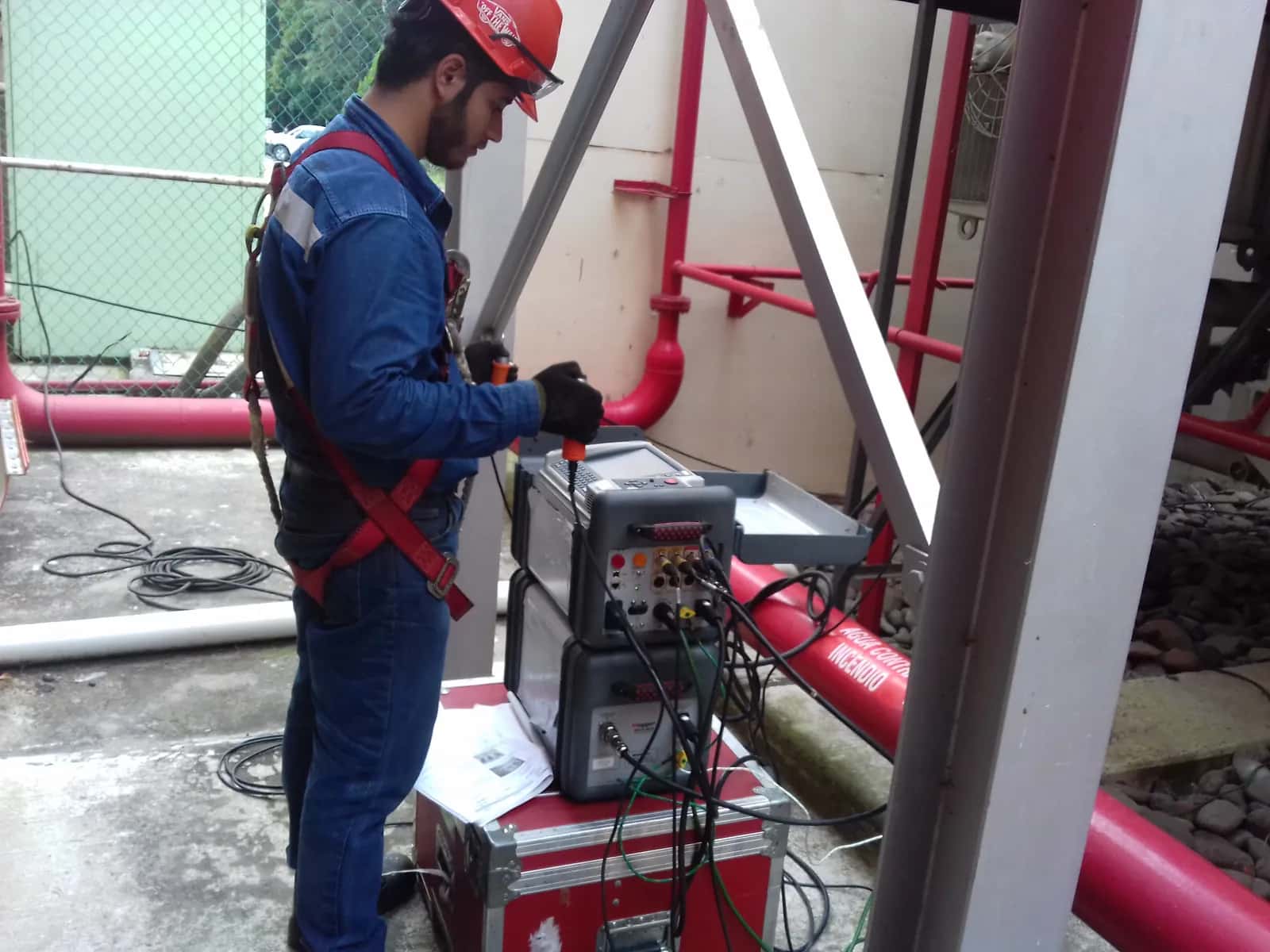
Electrical test
Insulation power factor and Tan Delta
Measurement of dielectric losses in transformer and bushing insulation to detect moisture, contamination and paper-oil ageing before they cause failure.
The insulation power factor (Tan Delta) measures the dielectric losses of the paper-oil system. It is the most sensitive indicator of insulation condition: moisture, contamination and ageing raise the value long before a visible failure appears.
A perfect insulation would behave like an ideal capacitor. In reality, paper and oil have losses that appear as a resistive current in phase with the voltage. Power factor (or Tan Delta) quantifies that leakage: the higher the value, the worse the dielectric condition.
The test is performed at elevated voltage (typically 10 kV) between windings and to ground, measuring capacitance and losses. Values corrected to 20 °C above 0.5% in power transformers indicate degradation that should be monitored; an increasing trend over time is the real alarm signal.
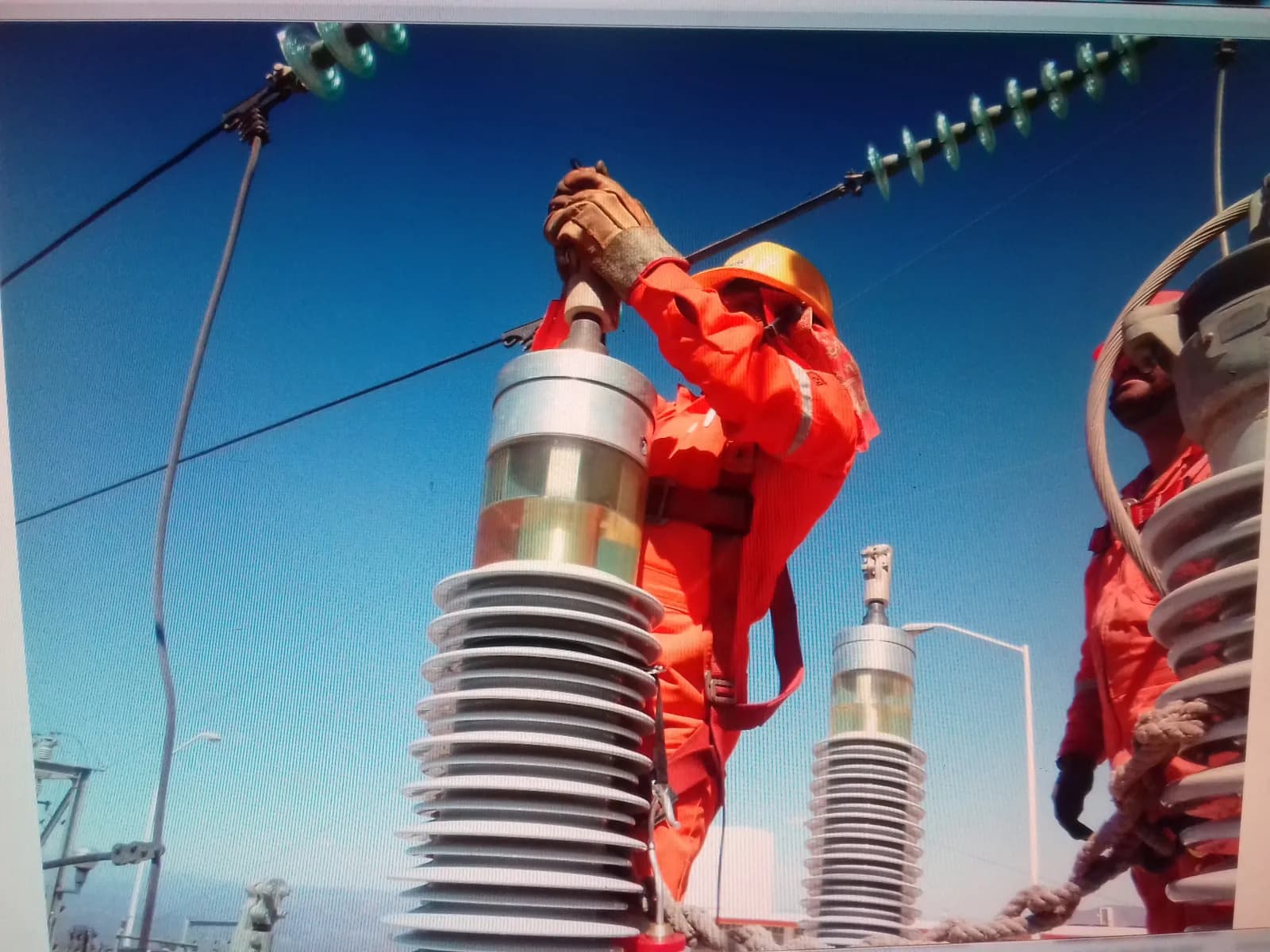
On bushings, Tan Delta and capacitance detect deterioration of the capacitive insulation before an explosion — one of the most frequent and violent causes of transformer failure. At TEVKO we measure with Omicron and Megger instrumentation, correcting for temperature and comparing against bushing nameplate and history.
What we evaluate
Winding-to-winding and to-ground insulation
Tan Delta and capacitance in CH, CL, CHL configurations to locate where the dielectric degradation is.
When it applies: Diagnosis of moisture or paper-oil ageing.
Bushing insulation (C1 and C2)
Power factor and capacitance of capacitive bushings to anticipate catastrophic failure.
When it applies: Transformers with condenser-type bushings.
How we run the test
Preparation
Transformer de-energized, isolated and with temperature recorded for 20 °C correction.
Measurement
Tan Delta and capacitance at 10 kV in each winding configuration and on bushings.
Correction
Results normalized by temperature and compared against standards and history.
Diagnosis
Verdict on moisture/contamination and recommendation (drying, filtering, monitoring).
Frequently asked questions — insulation power factor and tan delta
What does a high insulation power factor indicate?
Higher dielectric losses, generally from moisture, contamination or ageing of the paper-oil system. In power transformers, values corrected to 20 °C above 0.5% warrant monitoring; an increasing trend between tests is the most reliable alarm.
What is the difference between power factor and Tan Delta?
For small angles they are practically equivalent: power factor is the cosine of the angle between current and voltage, and Tan Delta is the tangent of the complementary angle. In healthy insulation both values are very low and nearly identical.
Why is it important to test bushings?
Deterioration of a bushing's capacitive insulation is one of the most violent causes of transformer failure. The bushing's Tan Delta and capacitance detect that deterioration early, preventing the explosion and associated fire.
How often is this test recommended?
The schedule must be documented against the manufacturer's instructions, asset condition and trends, load, environment, history and failure consequences. Engineering must justify the program and reassess it when anomalies appear; this page does not prescribe a universal interval.
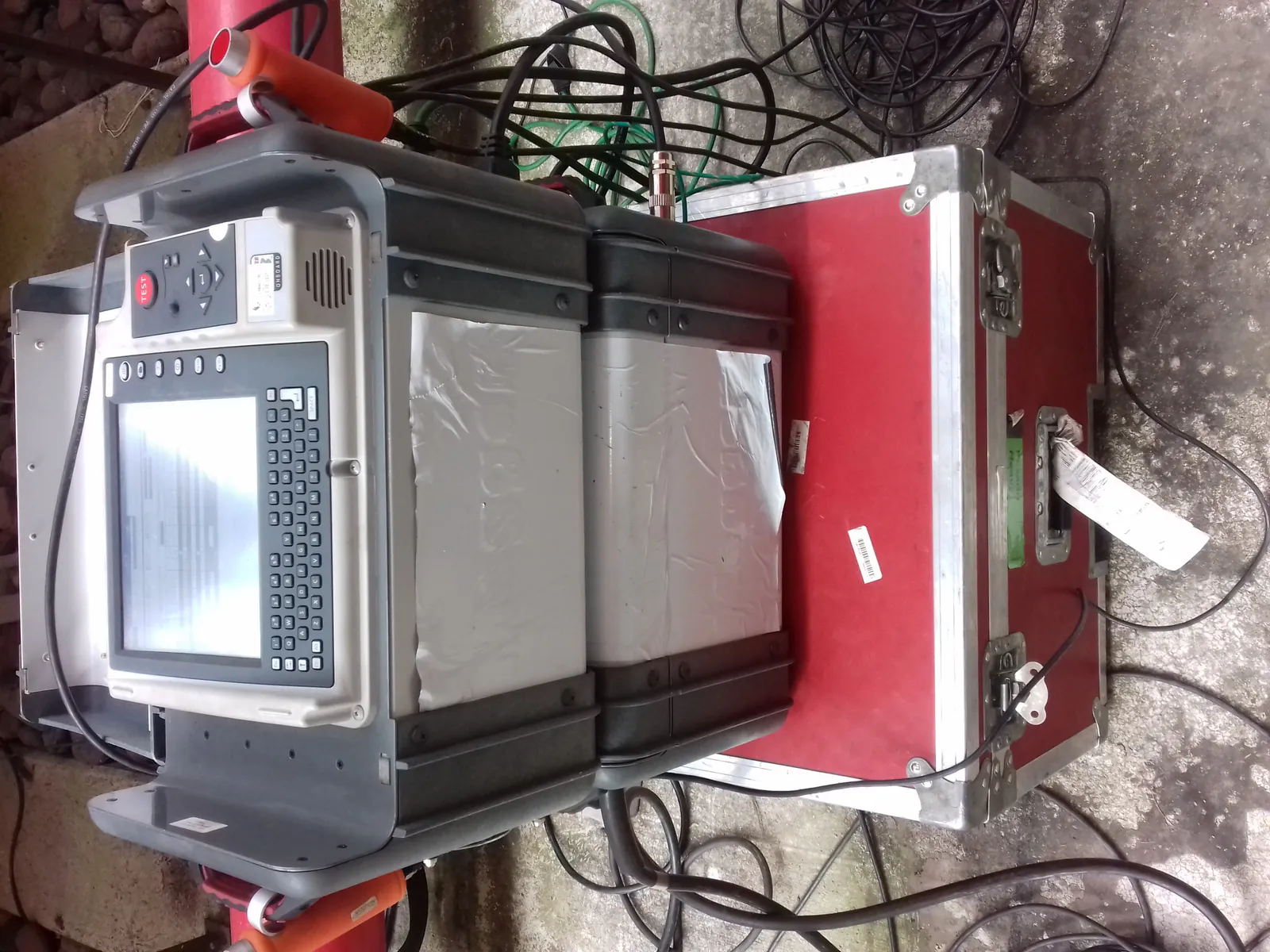
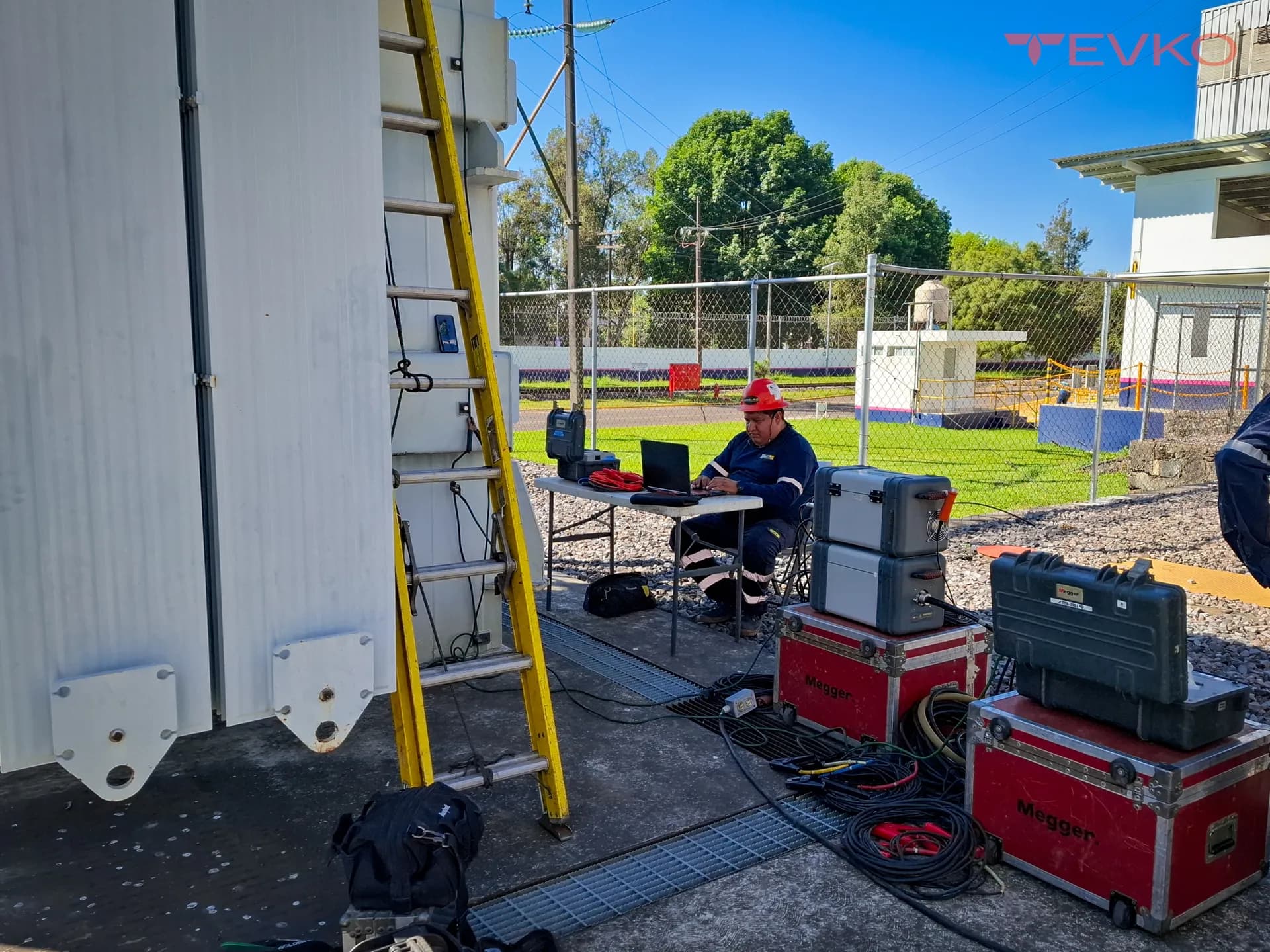
Insulation power factor and Tan Delta in images
Related tests and services
Talk to a transformer specialist
Tell us about your asset so we can define the assessment scope and prepare a tailored quote.