
Service
Thermographic inspection
Infrared predictive inspection of transformers and substations, performed under load, to find hot spots before they cause failure.
Thermography sees what the eye cannot: hot spots that announce a failure. And it does so with the equipment energized, under load, without an outage — the most cost-effective predictive tool there is.
An infrared camera translates radiation into temperature, revealing abnormal heating in connections, busbars, breakers and instrument transformers that almost always precedes a failure.
In transformers, thermography evaluates the cooling system; in substations, it inspects breakers, disconnectors, fuses and joints. Interpretation is based on gradients: the difference between similar components under the same load matters more than the absolute temperature.
For the inspection to be valid it must be done under significant load, with direct line of sight and recording load and ambient temperature. At TEVKO we deliver a report with images, gradients and recommendations prioritized by criticality.
What we inspect
Connections & busbars
Detection of loose, oxidized or over-torqued connections that overheat.
When it applies: Periodic predictive inspection.
Transformer cooling & substation equipment
Radiators, fans, breakers, instrument transformers and joints.
When it applies: Substation predictive maintenance.
How we execute the service
Conditions
Inspection under significant load with line of sight and recorded load/ambient.
Imaging
Thermal imaging of connections, transformers and substation equipment.
Analysis
Gradient interpretation and prioritization by criticality.
Report
Documented report with images, gradients and recommendations.
Frequently asked questions — thermographic inspection
What does thermography detect?
Hot spots that precede a failure: loose or oxidized connections, overloads, cooling problems in transformers, and degraded components in substations — all with the equipment energized.
Does the equipment need to be de-energized?
No — quite the opposite: thermography requires the equipment energized and under significant load (ideally above 40% of nominal) so defects show up as heat.
How is a thermal image interpreted?
By gradients: comparing temperature between similar components under the same load. A phase much hotter than the other two is an alert even if it does not exceed an absolute threshold.
How often should thermography be done?
The schedule must be documented against the manufacturer's instructions, asset condition and trends, load, environment, history and failure consequences. Engineering must justify the program and reassess it when anomalies appear; this page does not prescribe a universal interval.
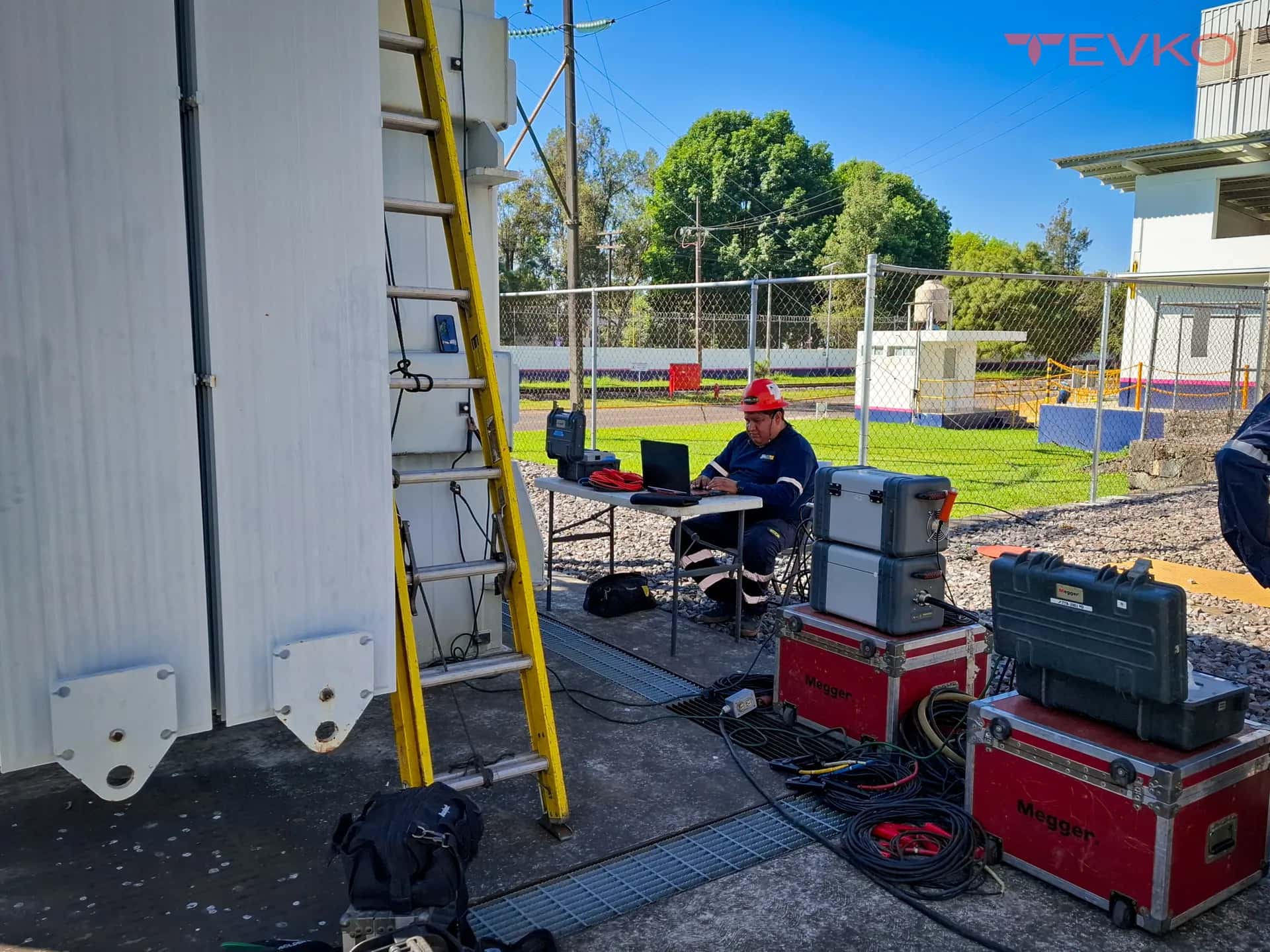
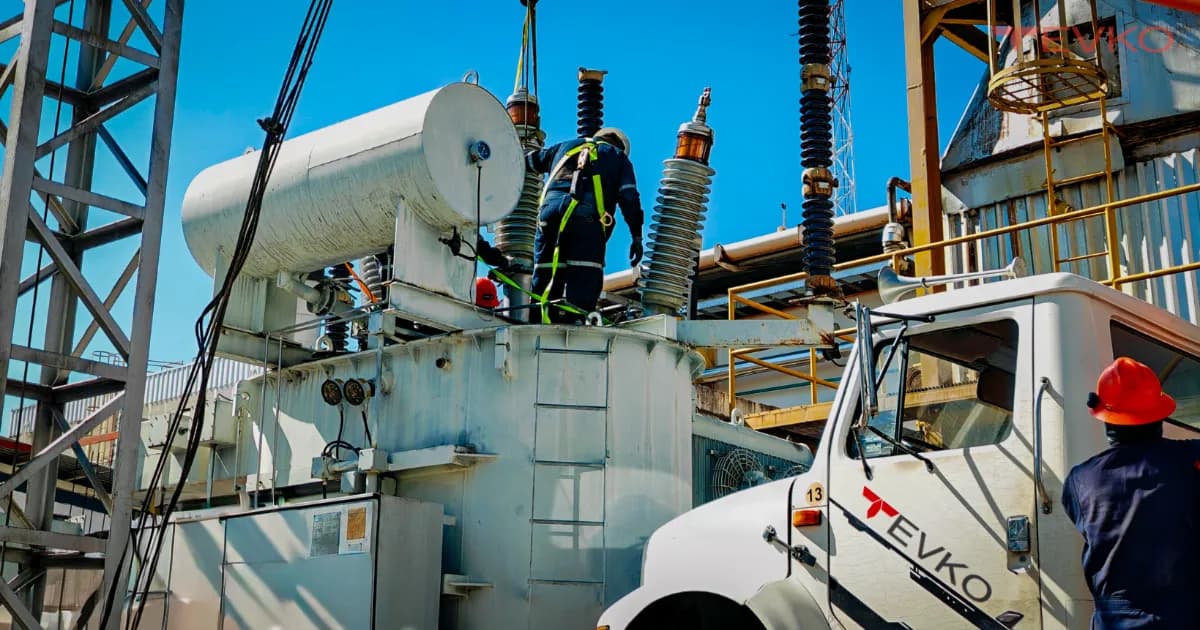
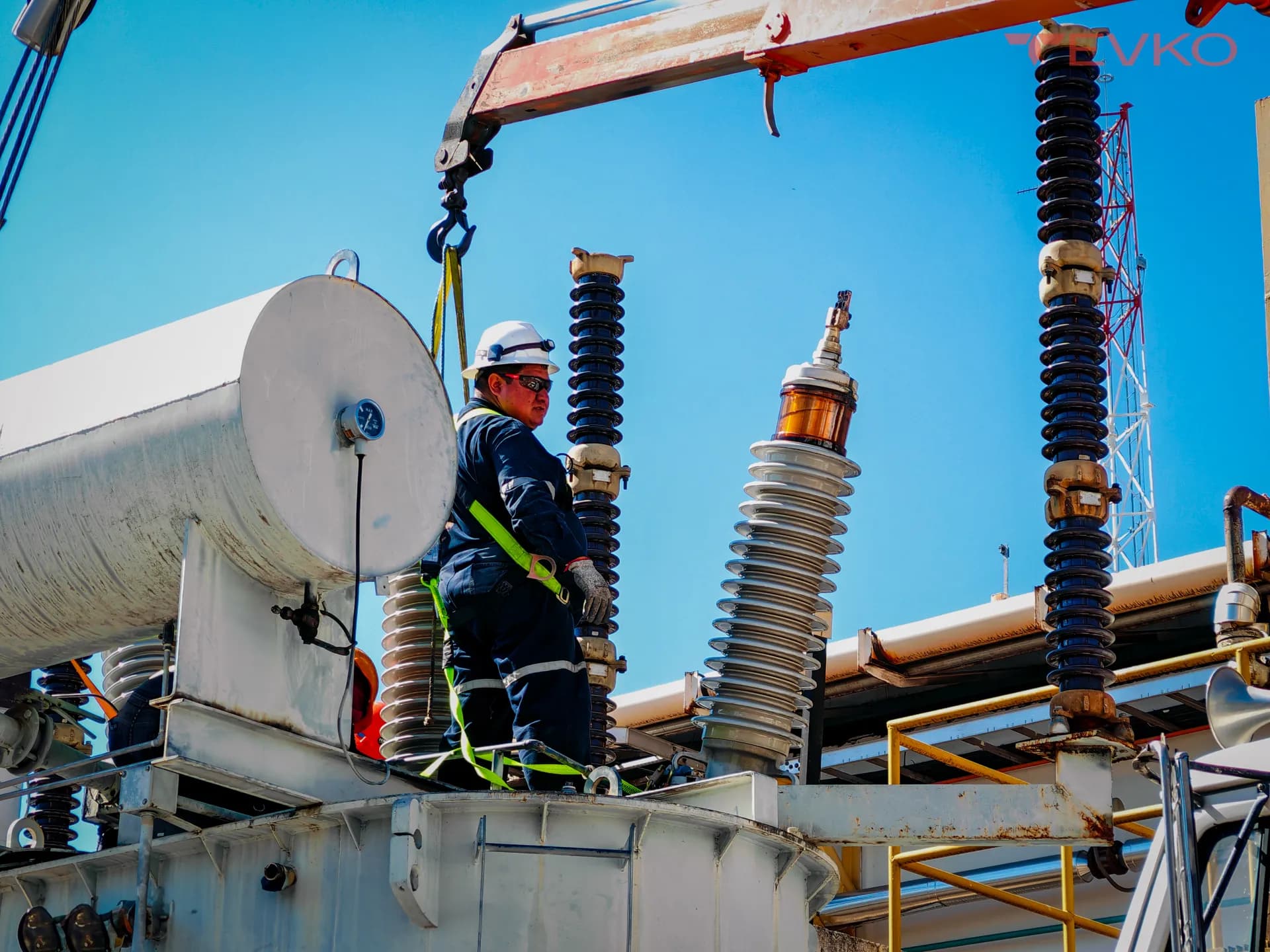
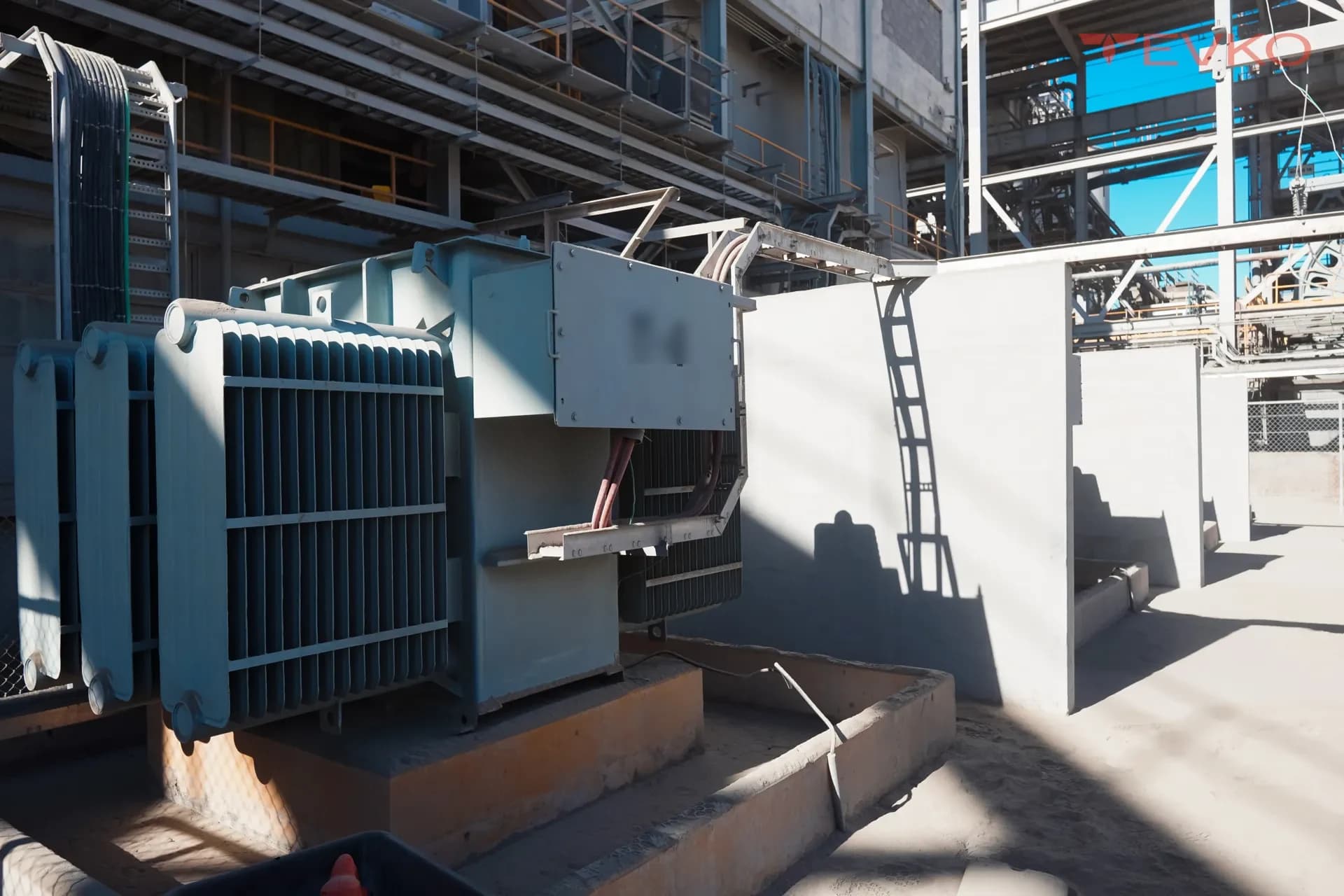
Thermographic inspection in images

Related services
Talk to a transformer specialist
Tell us about your asset so we can define the assessment scope and prepare a tailored quote.