
Electrical test
Physicochemical oil analysis
Battery of physical and chemical tests on transformer oil to assess its condition and decide reconditioning, regeneration or replacement.
The physicochemical oil analysis is the battery of tests that measures the physical and chemical condition of transformer oil — its dielectric strength, acidity, interfacial tension, color and moisture. Together they decide whether the oil is fit for service, needs reconditioning or regeneration, or should be replaced.
The dielectric oil is insulation and coolant, and it degrades with use: oxidation forms acids and sludge, contamination and moisture lower its dielectric strength, and the cooling efficiency drops. The physicochemical battery quantifies that degradation through several complementary parameters rather than a single number.
The core parameters are: dielectric breakdown voltage (the oil's ability to withstand voltage), acidity or neutralization number (oxidation products that attack the paper), interfacial tension (an early indicator of degradation and sludge formation), color (a quick degradation indicator), and water content. Read together and against limits, they tell whether the oil protects the transformer or has become a liability to it.
At TEVKO the analysis is run in a testing laboratory and interpreted under references such as IEC 60422 and IEEE C57.106, integrated with dissolved gas analysis and moisture. The result drives a clear decision — keep, recondition/filter, regenerate or replace the oil — documented in a protocol and, when action is taken, verified by re-analysis.
What the analysis decides
Oil fitness for service
Confirms whether the oil still provides adequate insulation and cooling or has degraded.
When it applies: Routine oil condition monitoring and before re-energizing.
Reconditioning vs. replacement
Acidity, interfacial tension and color decide whether to filter, regenerate or replace the oil.
When it applies: Ageing oil, high acidity or sludge suspicion.
How we run the analysis
Sampling
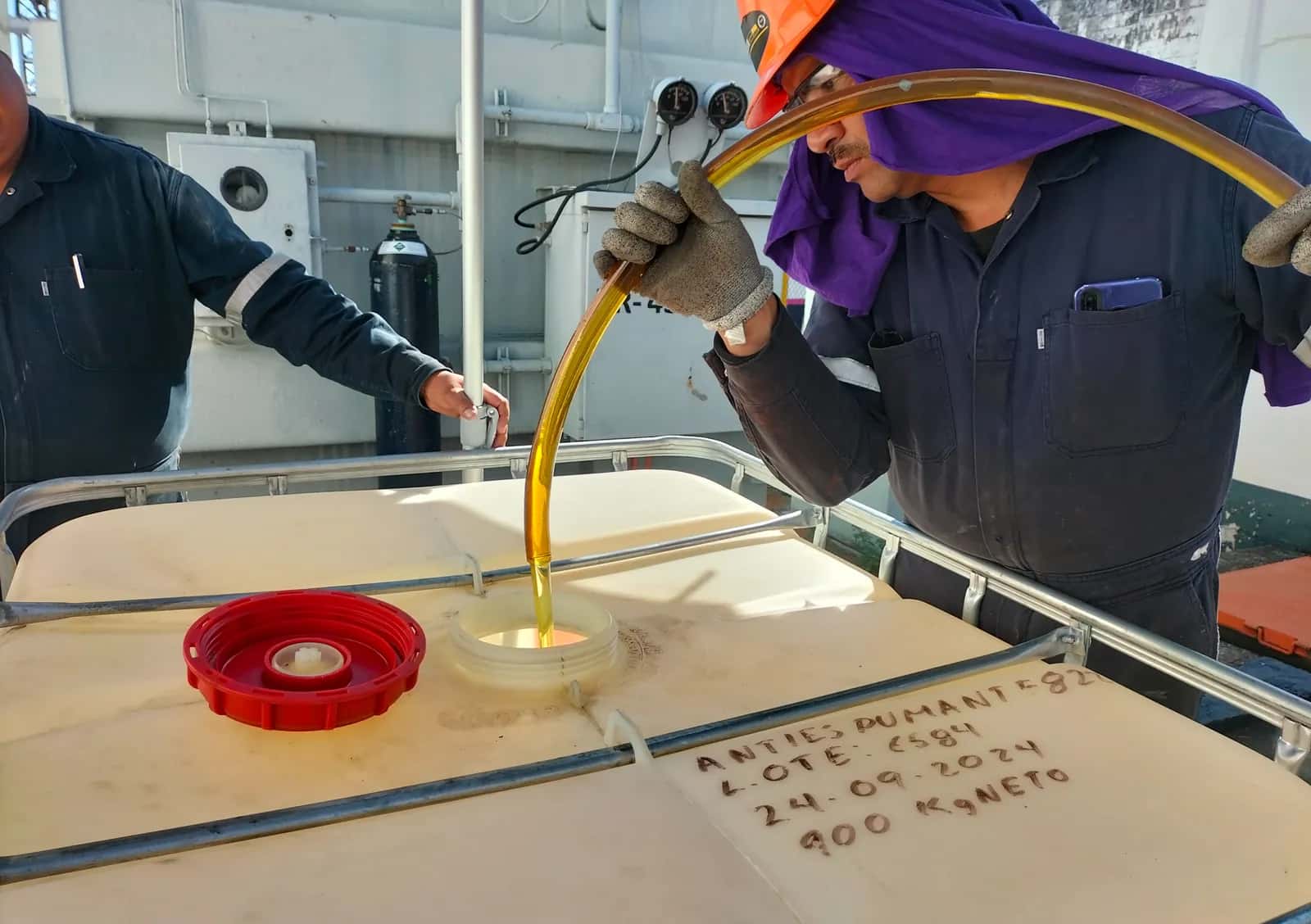
Oil sample taken with the transformer in service under controlled procedure.
Laboratory battery
Dielectric breakdown voltage, acidity, interfacial tension, color and moisture in a testing laboratory.
Interpretation
Parameters read against IEC 60422 / IEEE C57.106 limits, integrated with DGA and moisture.
Decision & protocol
Documented report with keep / recondition / regenerate / replace recommendation, verified by re-analysis after treatment.
Frequently asked questions — physicochemical oil analysis
What does physicochemical oil analysis measure?
The physical and chemical condition of the oil: dielectric breakdown voltage, acidity (neutralization number), interfacial tension, color and water content. Together they show whether the oil is fit for service or degraded.
Why does oil acidity matter?
Because oxidation produces acids that attack the paper insulation and form sludge, which hurts cooling and accelerates ageing. A rising acidity (neutralization number) is a signal that the oil needs reconditioning, regeneration or replacement.
What is interfacial tension used for?
Interfacial tension is an early, sensitive indicator of oil degradation and sludge formation — it often drops before acidity rises significantly, giving advance warning that the oil is deteriorating.
What happens after the analysis?
Depending on the parameters, the oil is kept in service, reconditioned/filtered, regenerated, or replaced. The decision is made against IEC 60422 / IEEE C57.106 limits and verified by re-analysis after any treatment.
Physicochemical oil analysis in images

Related tests and services
Talk to a transformer specialist
Tell us about your asset so we can define the assessment scope and prepare a tailored quote.