
By TEVKO Technical Management — TEVKO · Grupo TEMISA · Published
Nearshoring is moving manufacturing to Mexico at a pace that strains the one resource factories cannot operate without: reliable electrical power. For many companies setting up or expanding here, the bottleneck has shifted from real estate and labor to the electrical infrastructure — the transformers and substations that step grid voltage down to the plant. Understanding that constraint early, before it stalls a ramp-up, is now part of doing site selection and project planning well.
The first hard reality is lead time. New large power transformers are in global short supply, with delivery times that can stretch many months. A plant whose energization depends on a new transformer or substation can find its production schedule held hostage by an electrical component, not by the building or the machines. That single fact changes the calculus: keeping existing assets healthy, and being able to rehabilitate rather than wait for new, becomes a strategic advantage instead of a maintenance detail.
The second reality is the condition of existing assets. Many nearshoring projects move into existing industrial sites with transformers and substations of unknown history — units that may have been lightly maintained, overloaded, or left idle. Energizing a critical operation on an asset whose real condition is undocumented is a gamble. A condition assessment up front — dissolved gas analysis of the oil, insulation tests, thermography, a tap-changer and bushing check — tells you whether the installed base can carry the new load or needs intervention before it becomes the reason the line goes down.
The third reality is that reliability is a program, not a purchase. A new plant cannot afford unplanned electrical downtime during ramp-up, when every hour of production matters. That means a maintenance program built on condition, not just calendar: baseline testing at commissioning, periodic diagnostics, oil analysis, and a clear plan for emergencies. The transformer is usually the single most expensive and longest-lead asset on the site; treating its upkeep as an afterthought is how a world-class factory ends up dark.
The fourth reality is the value of independent, local service. A multi-brand service provider that works on transformers of any manufacturer — and that can execute both field maintenance and shop rehabilitation locally — shortens the distance between a problem and a fix. When the alternative to a fast local rehabilitation is a months-long wait for a new unit shipped from abroad, having an independent shop with real capacity (cranes, drying ovens, a test bench) nearby is not a convenience; it is business continuity.
For decision-makers planning a nearshoring footprint, the practical checklist is short: assess the condition of any existing electrical assets before committing to them; factor transformer and substation lead times into the project schedule from day one; build a condition-based maintenance program rather than running to failure; and line up an independent service partner who can diagnose, rehabilitate and respond to emergencies locally. Power is the constraint that quietly decides whether a new operation runs — plan it like one.
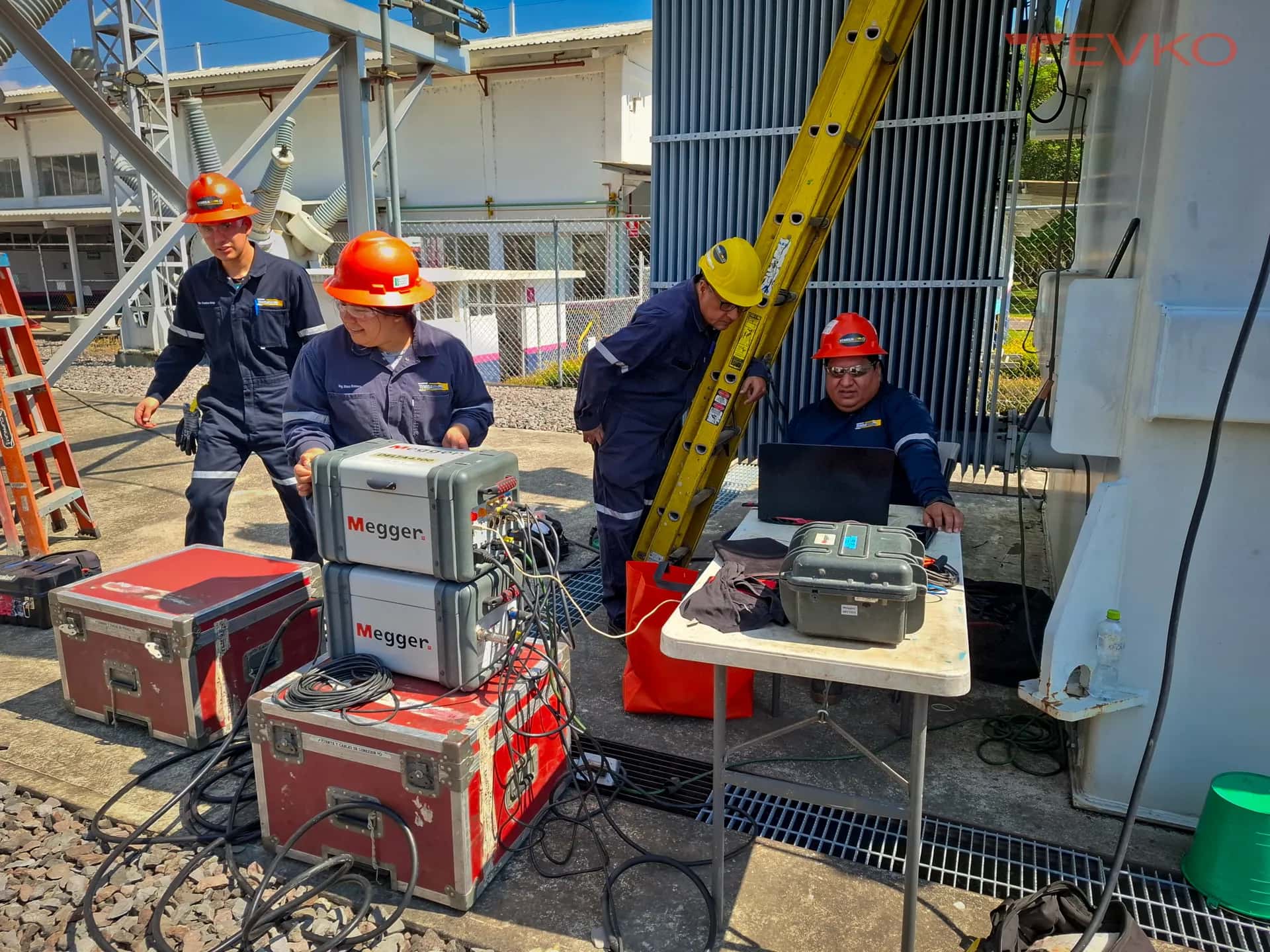
TEVKO, the transformers-and-substations division of Grupo TEMISA, supports nearshoring operations across Mexico: condition assessment of existing transformers and substations, maintenance and rehabilitation of any manufacturer's equipment, electrical testing under IEEE C57 and IEC 60076 with Omicron and Megger instrumentation, and 24/7 emergency response for critical assets — all from a 5,600 m² plant in Jalisco backed by more than six decades of Grupo TEMISA engineering. Your transformer or substation returns to the level the manufacturer specified, with real electrical data and a documented protocol.