
Service
Transformer drying
Removal of moisture from the paper insulation to restore dielectric strength and extend insulation life, verified by testing.
Moisture in the paper insulation lowers dielectric strength and is one of the strongest accelerators of insulation ageing. Drying removes that water and restores the insulation, and TEVKO executes it with verification by insulation resistance, polarization index and Karl Fischer testing before and after.
Water reaches the cellulose through ageing, breathing and leaks, and most of a transformer's moisture lives in the paper, not the oil. Wet paper lowers dielectric strength, accelerates ageing irreversibly, and at high temperature can even form gas bubbles that trigger a failure. Drying pulls that moisture out, and is a standard step after a repair, after water ingress, or whenever diagnostics show wet insulation.
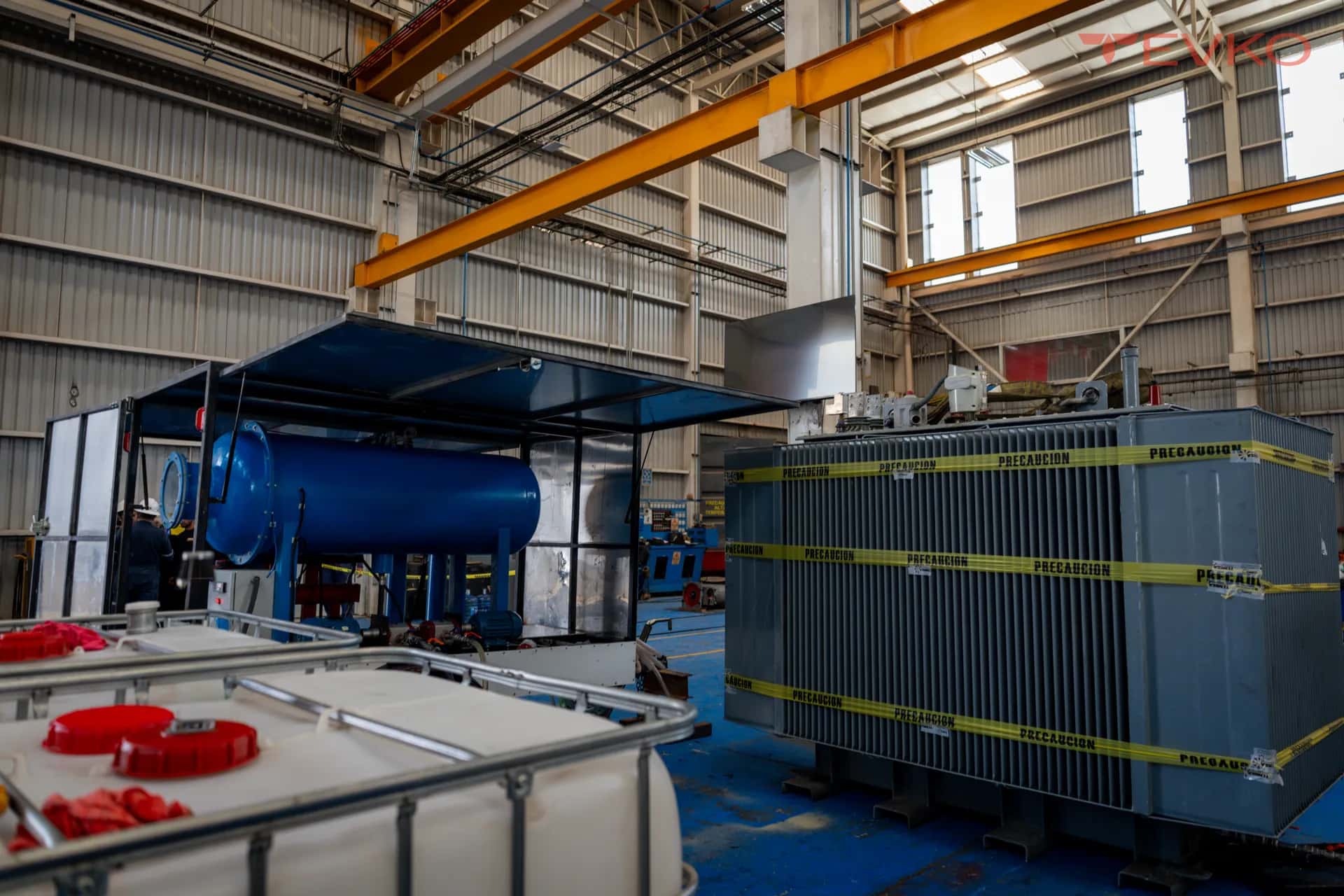
The method is chosen by the situation: a controlled thermal and vacuum process compatible with the design, moisture condition and equipment confirmed for the job. Hot-oil spray and low-frequency heating (LFH) are different techniques; LFH heats the windings electrically. Vapor-phase or LFH availability must be confirmed for each scope. The goal is the same: lower the moisture in the paper to a safe level without thermally damaging the insulation, which is why the process is controlled and monitored, not rushed.
TEVKO dries transformers in its plant with drying ovens and vacuum capability, and — crucially — verifies the result: insulation resistance and polarization index, and Karl Fischer moisture before and after, under IEEE C57 and IEC 60076. Drying without verification is guesswork; TEVKO documents the moisture reduction in a protocol so the unit returns to service at the dielectric condition the manufacturer specified.
Drying scope
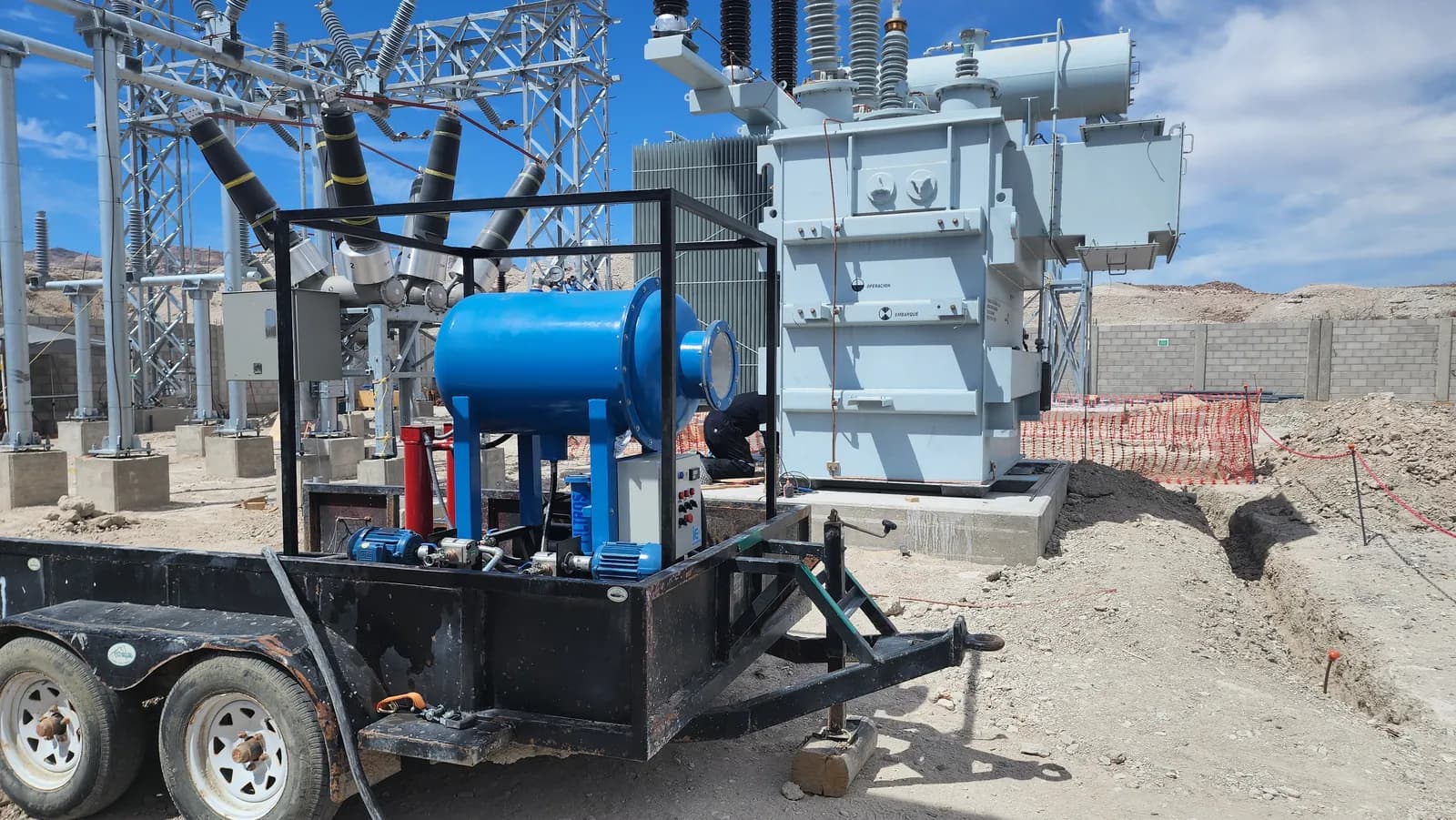
Field drying
Hot-oil circulation with vacuum for moderate moisture, on site.
When it applies: Moderate moisture found in diagnostics, post-maintenance.
Shop drying
Controlled thermal and vacuum drying; method and equipment availability confirmed for the asset.
When it applies: After water ingress or as part of a major rehabilitation.
How we execute the drying
Baseline
Insulation resistance, polarization index and Karl Fischer moisture measured before drying.
Drying
Controlled process by the appropriate method, monitored to avoid thermal damage.
Verification
Insulation resistance/PI and moisture re-measured to confirm the reduction.
Protocol
Documented before/after results before the unit returns to service.
Frequently asked questions — transformer drying
Why does a transformer need drying?
Because moisture in the paper insulation lowers its dielectric strength and strongly accelerates ageing, and at high temperature can form gas bubbles that trigger a failure. Drying removes the water and restores the insulation, typically after a repair, water ingress, or when diagnostics show wet paper.
How is a transformer dried?
By methods chosen for the severity: a thermal and vacuum process confirmed for the asset and available equipment. Hot-oil spray and electrically powered low-frequency heating are distinct methods. The process is controlled to remove moisture without thermally damaging the insulation.
How do you know the drying worked?
By verification: insulation resistance and polarization index, and Karl Fischer moisture measured before and after. TEVKO documents the moisture reduction in a protocol rather than assuming the drying was sufficient.
Where is most of the moisture in a transformer?
In the paper insulation, not the oil. That is why drying targets the cellulose, and why an oil moisture reading is interpreted as a window into the paper's condition rather than the whole story.
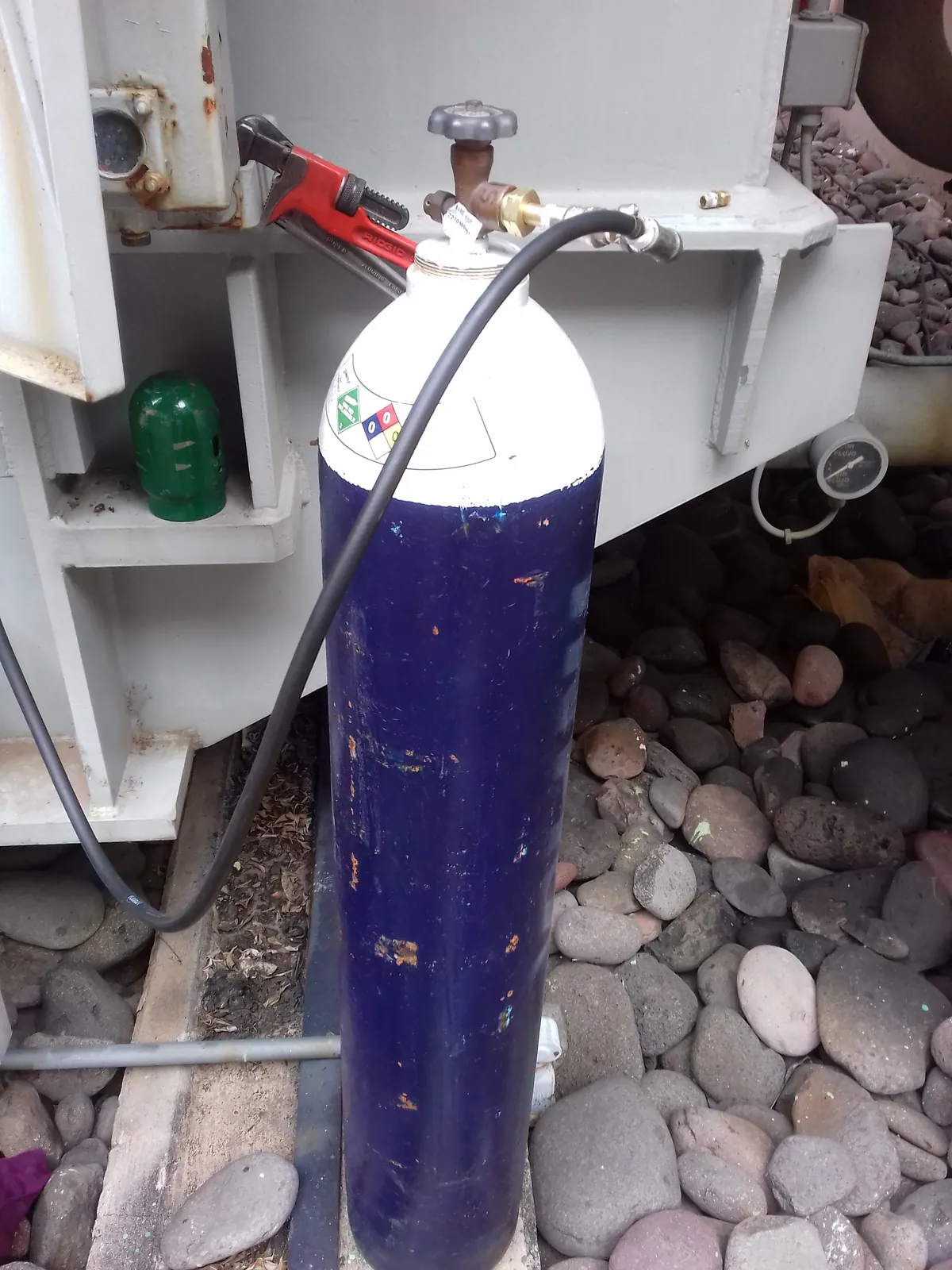
Transformer drying in images

Related services and tests
Talk to a transformer specialist
Tell us about your asset so we can define the assessment scope and prepare a tailored quote.