
Service
Transformer & substation commissioning
Pre-energization testing and acceptance protocol to confirm a transformer or substation is fit to enter service.
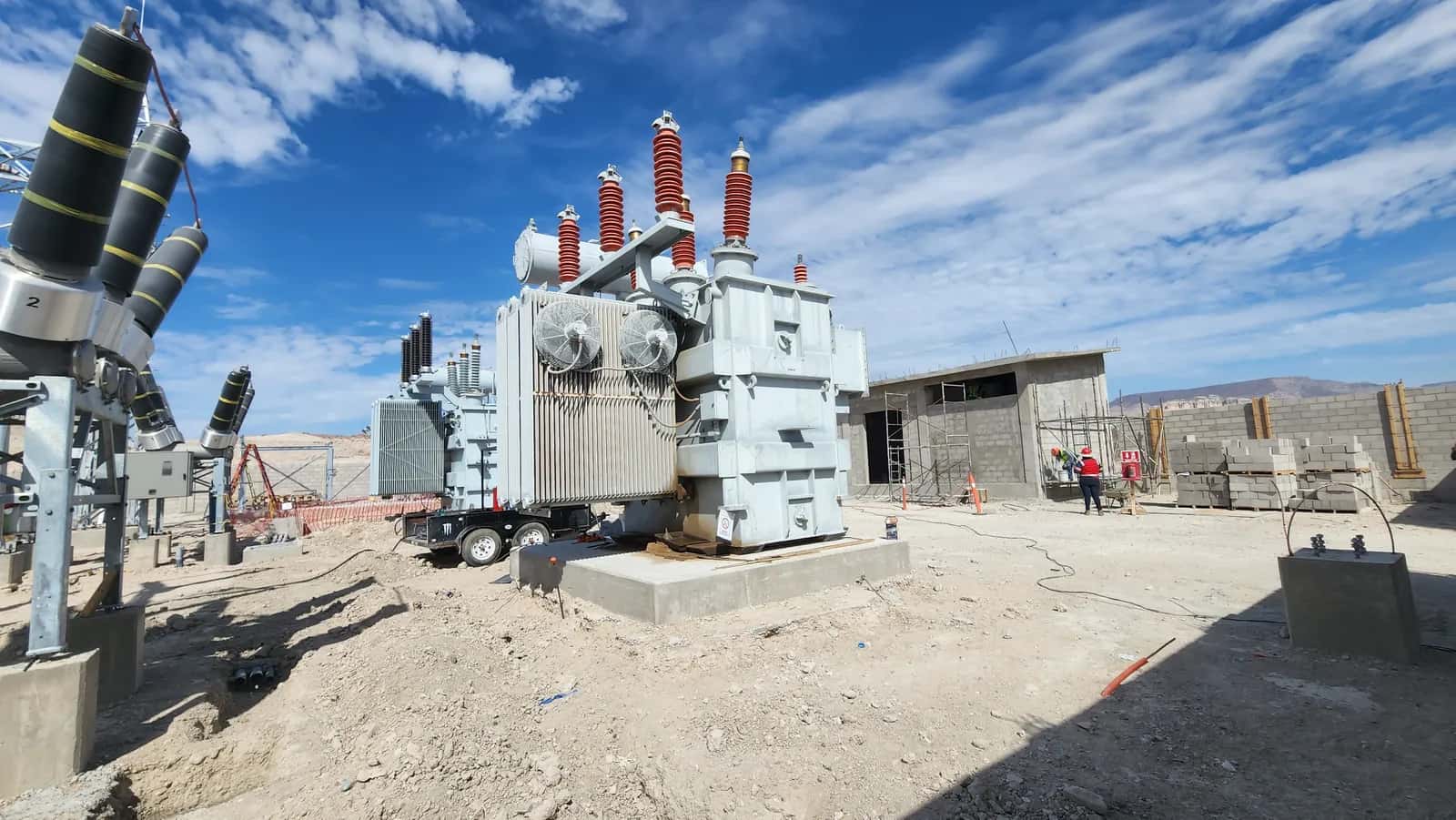
Commissioning is the disciplined check that a transformer or substation is fit to energize — the acceptance battery of electrical tests and verifications performed before the unit carries load. TEVKO commissions new, relocated and repaired assets, capturing the baseline that every future diagnosis is compared against.
Energizing a transformer or substation without proper commissioning is a gamble: a wrong connection, a transport-induced fault, residual moisture or a mis-set protection can turn the first energization into a failure. Commissioning replaces that gamble with verification — a structured acceptance protocol confirming the asset matches its design and is electrically sound before it carries load.
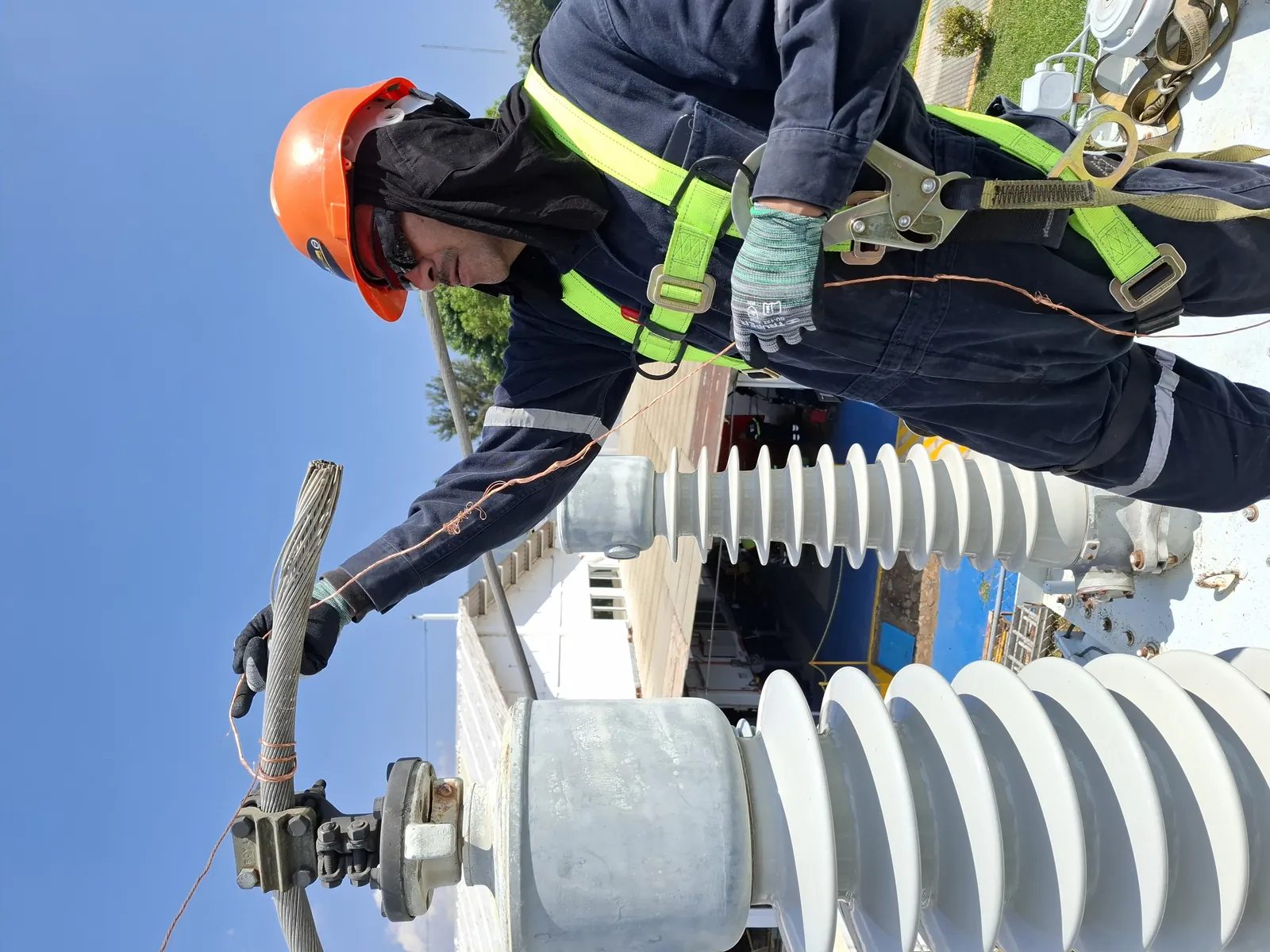
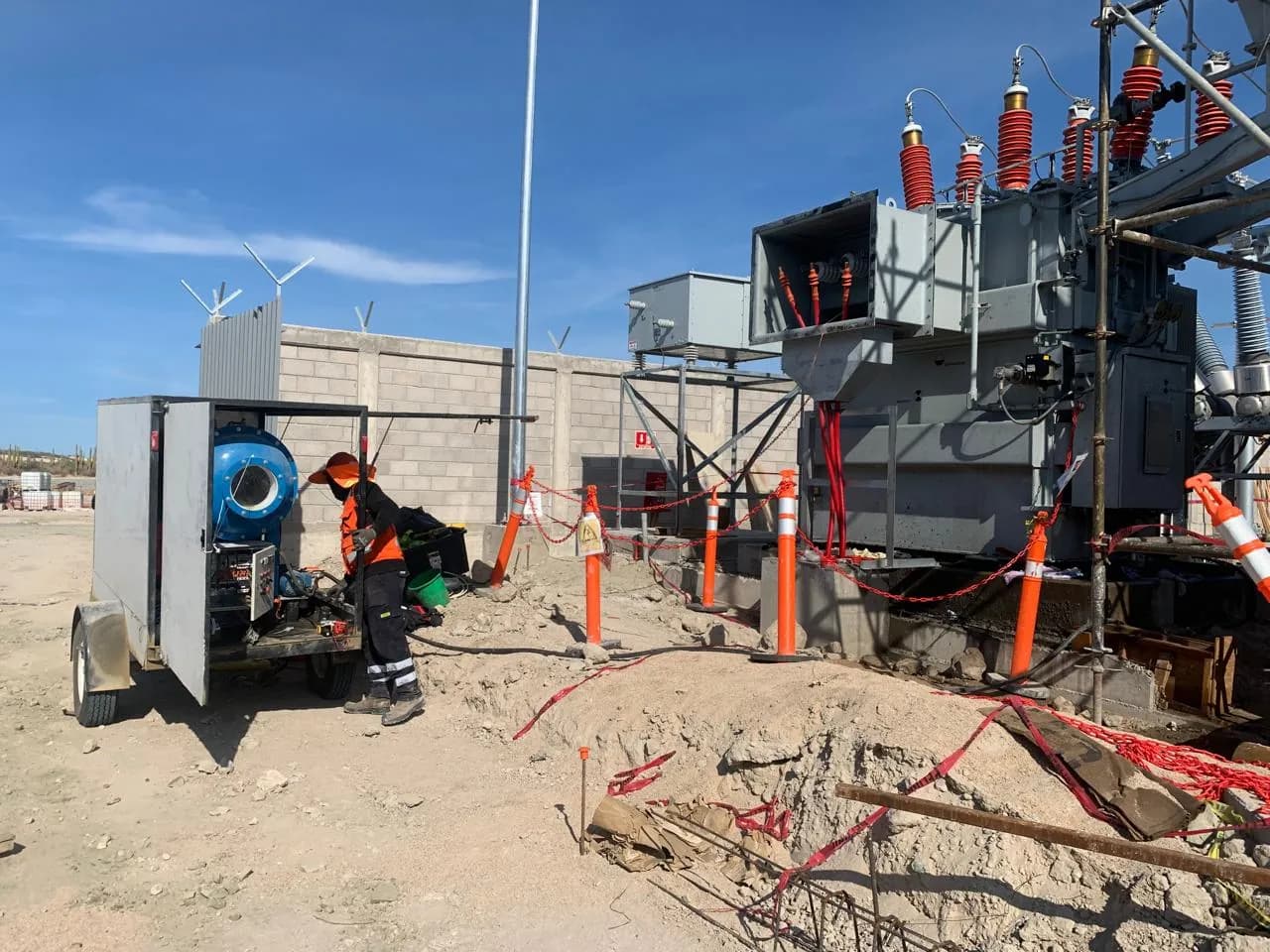
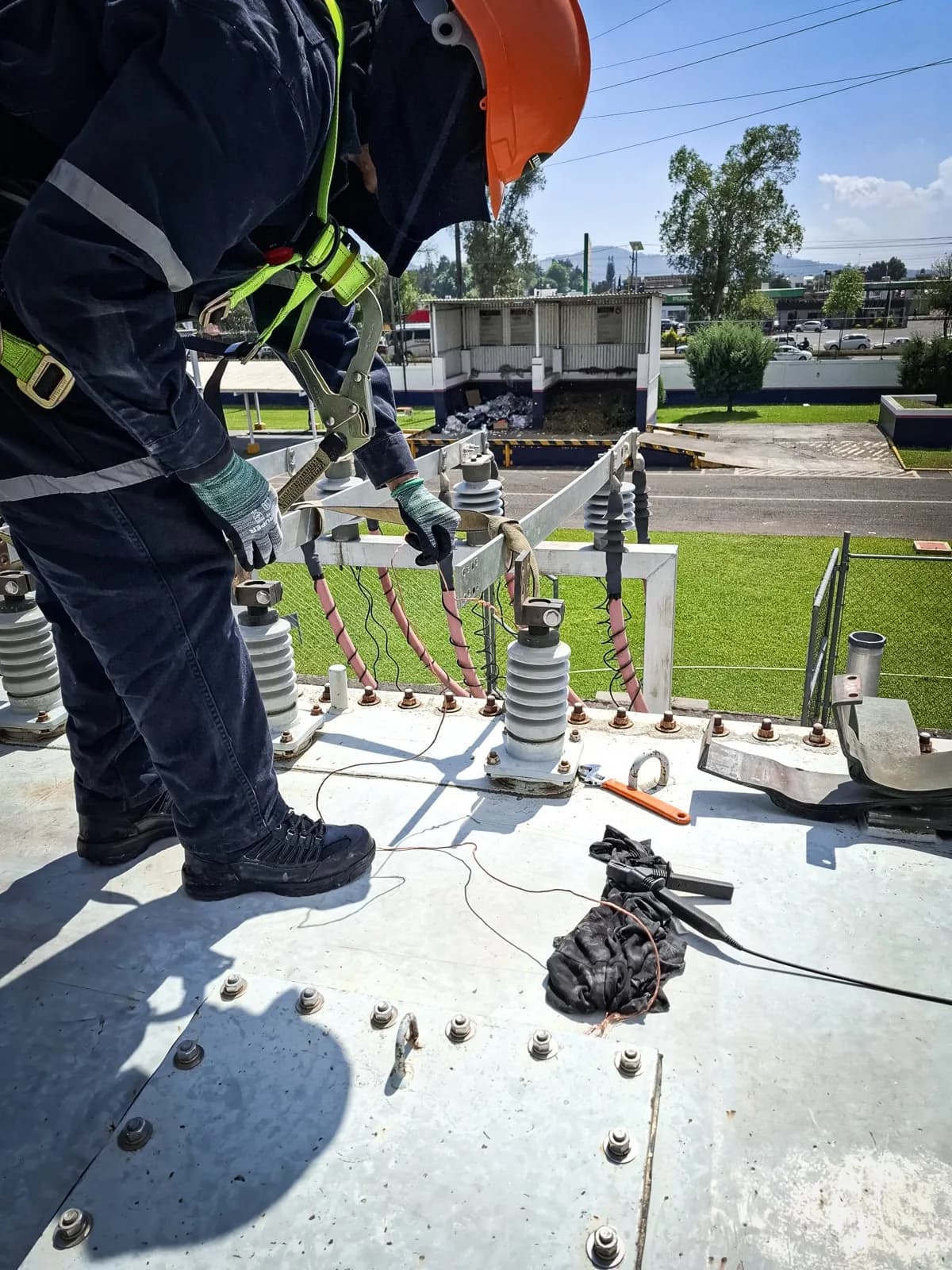
For a transformer, the battery includes turns ratio (TTR) and vector-group verification, winding resistance, power factor/Tan Delta, insulation resistance and polarization index, and oil tests — confirming ratio, connections, insulation condition and dryness. For a substation, it adds protection and relay verification, grounding system measurement and switchgear checks. Crucially, these readings become the baseline: every future periodic test is interpreted against the commissioning values.
TEVKO commissions transformers and substations of any manufacturer with Omicron and Megger instrumentation under IEEE C57 and IEC 60076, whether the asset is new, relocated to a new site (common in nearshoring projects) or returning from a repair. The deliverable is a documented commissioning protocol that certifies fitness to energize and establishes the asset's baseline.
Commissioning scope
Transformer commissioning
Ratio, vector group, winding resistance, power factor, insulation and oil tests before energizing.
When it applies: New, relocated or repaired transformers.
Substation commissioning
Protection/relay verification, grounding measurement and switchgear checks.
When it applies: New or modified substations before service.
How we commission
Review
Design and nameplate review and inspection of the installed asset.
Acceptance battery
Full electrical test battery (and protections/grounding for substations) with the asset de-energized.
Baseline
Results recorded as the asset's reference baseline for future diagnostics.
Protocol
Documented commissioning protocol certifying fitness to energize.
Frequently asked questions — transformer & substation commissioning
What is transformer commissioning?
The acceptance battery of electrical tests and verifications performed before a transformer or substation is energized, confirming it matches its design and is electrically sound. It also captures the baseline against which every future diagnostic test is compared.
What tests are run during commissioning?
For a transformer: turns ratio and vector group, winding resistance, power factor/Tan Delta, insulation resistance with polarization index, and oil tests. For a substation, add protection/relay verification, grounding measurement and switchgear checks.
When is commissioning needed?
Before energizing a new transformer or substation, after relocating an asset to a new site (common in nearshoring projects), and after a repair. It replaces the risk of a blind first energization with verified fitness to energize.
Why does the commissioning baseline matter?
Because most diagnostic tests are far more useful as a trend than as an isolated value. The commissioning readings are the reference point every future periodic test is compared against, making later degradation easy to detect.
Transformer & substation commissioning in images


Related services and tests
Talk to a transformer specialist
Tell us about your asset so we can define the assessment scope and prepare a tailored quote.