
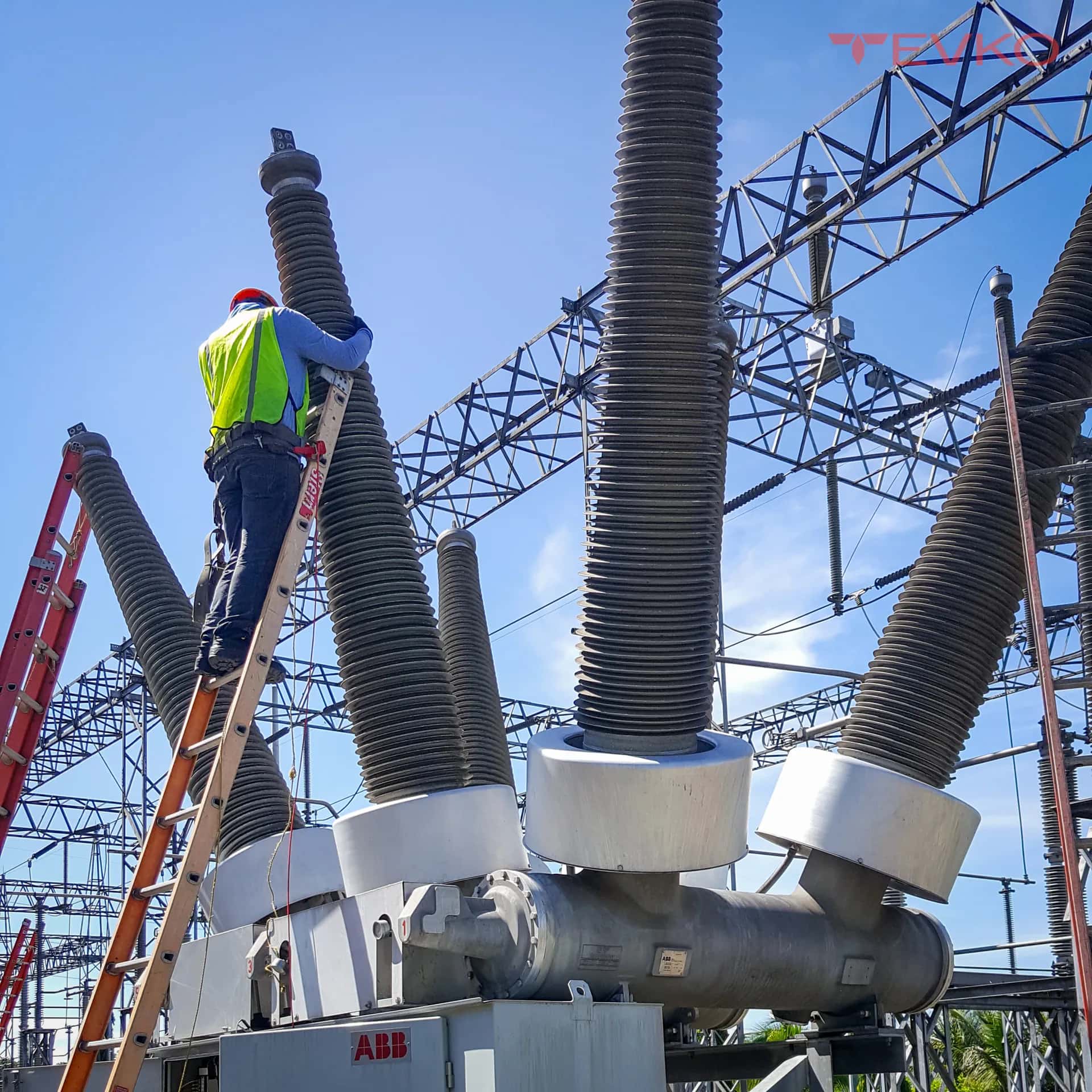
Electrical test
SF6 circuit breaker testing
Testing of SF6 high-voltage circuit breakers: gas quality, contact resistance, timing and mechanism, to ensure reliable interruption.
SF6 circuit breaker testing verifies that the interrupting device will clear a fault when called upon: the quality of the SF6 gas, the resistance of the main contacts, and the timing and behavior of the operating mechanism. A breaker that fails to interrupt turns a fault into a catastrophe.
The circuit breaker is the substation's last line of defense: it must interrupt fault current reliably and within a tight time window. In SF6 breakers, the sulfur hexafluoride gas is both the insulating and the arc-quenching medium, so its condition is as important as the mechanics. Testing covers both the gas and the electromechanical performance.
On the gas side, the analysis checks purity, moisture and decomposition byproducts (such as SO2): moisture lowers dielectric strength, and decomposition products reveal internal arcing or hot spots. Gas density and pressure are verified because the interrupting capability depends on them. On the electromechanical side, the tests measure main-contact resistance (micro-ohmmeter), opening/closing timing and travel of the mechanism, and the insulation — confirming the breaker operates within specification.
At TEVKO we test SF6 circuit breakers with appropriate instrumentation and interpret the results under references such as IEC 62271 for high-voltage switchgear and IEC 60480 for SF6 quality, handling the gas responsibly (SF6 is a potent greenhouse gas) and delivering a documented protocol with gas condition, contact resistance, timing and an acceptance verdict.
What SF6 breaker testing covers
Gas quality
Purity, moisture, decomposition byproducts and density/pressure of the SF6, revealing internal arcing and dielectric risk.
When it applies: Periodic substation maintenance and after fault operations.
Electromechanical performance
Main-contact resistance, opening/closing timing and mechanism travel against specification.
When it applies: Commissioning and maintenance of high-voltage breakers.
How we run the test
Outage
Breaker isolated and de-energized following substation safety procedures.
Gas analysis
SF6 purity, moisture, decomposition byproducts and density/pressure, with responsible gas handling.
Electromechanical tests
Contact resistance, opening/closing timing, mechanism travel and insulation.
Protocol
Documented report with gas condition, contact resistance, timing and an acceptance verdict.
Frequently asked questions — sf6 circuit breaker testing
What is tested on an SF6 circuit breaker?
Both the SF6 gas (purity, moisture, decomposition byproducts, density/pressure) and the electromechanical performance (main-contact resistance, opening/closing timing and mechanism travel, insulation). Together they confirm the breaker will interrupt a fault reliably.
Why does the SF6 gas condition matter?
Because SF6 is both the insulating and arc-quenching medium. Moisture lowers its dielectric strength, and decomposition byproducts like SO2 reveal internal arcing or hot spots. Low density or pressure compromises the interrupting capability.
Why is breaker timing important?
A circuit breaker must interrupt fault current within a tight time window coordinated with the protection scheme. Slow or asymmetric pole timing can mean the breaker fails to clear a fault correctly, so timing and travel are measured against specification.
What standards apply to SF6 breaker testing?
High-voltage switchgear follows IEC 62271, and SF6 gas quality follows IEC 60480 (and IEC 60376 for new gas), complemented by IEEE C37 references. TEVKO interprets results against these and handles the gas responsibly given its environmental impact.
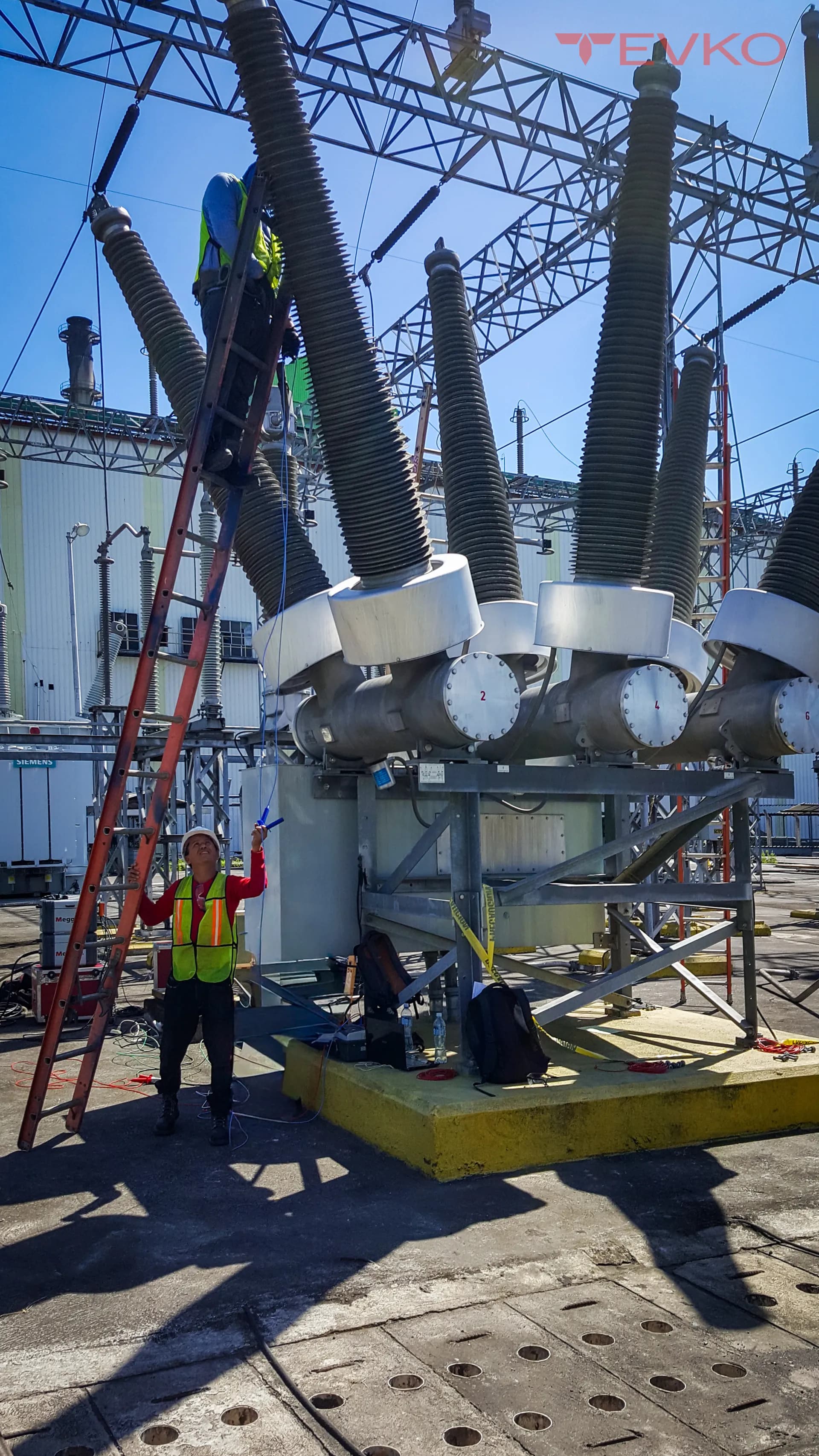
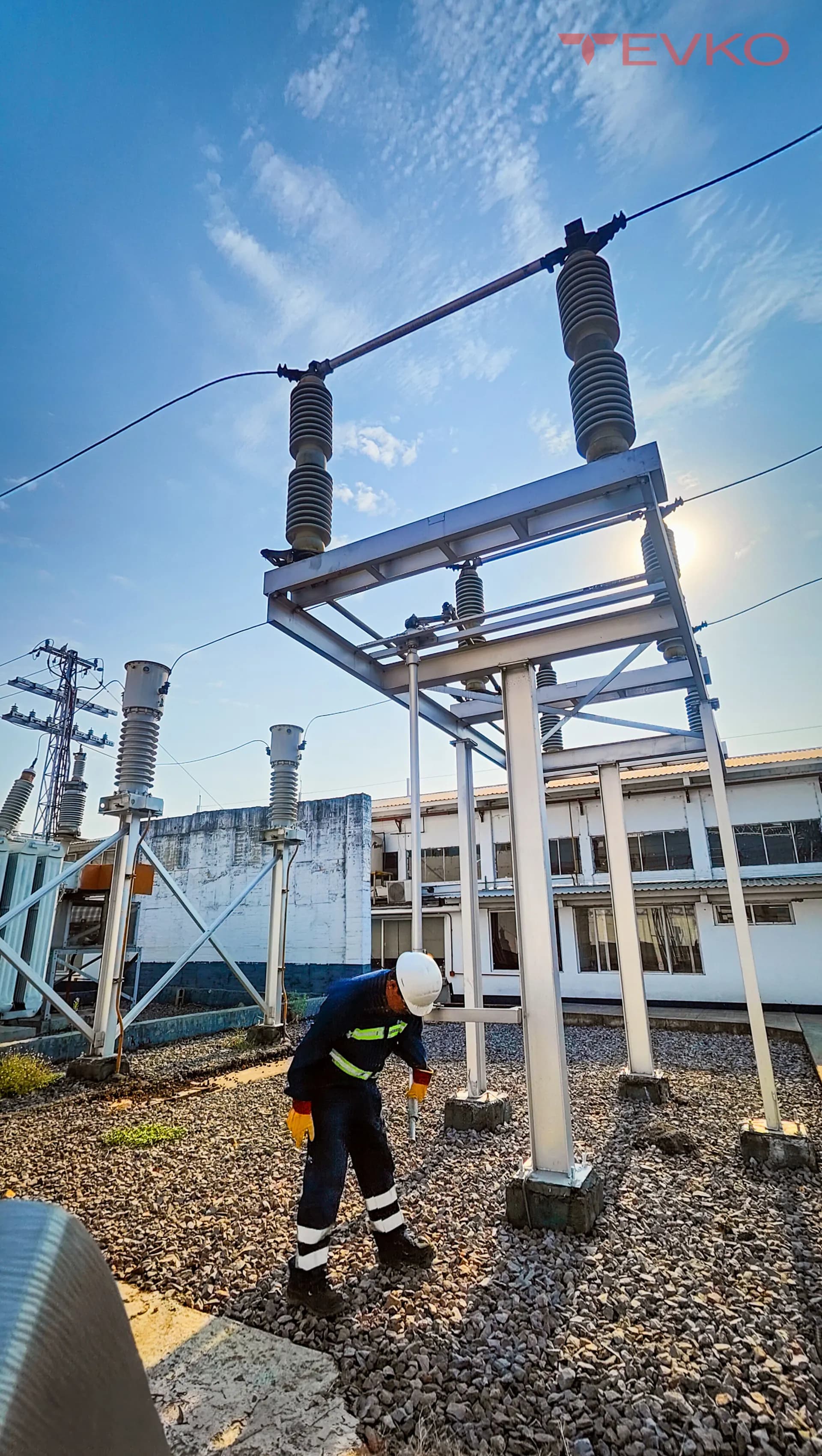
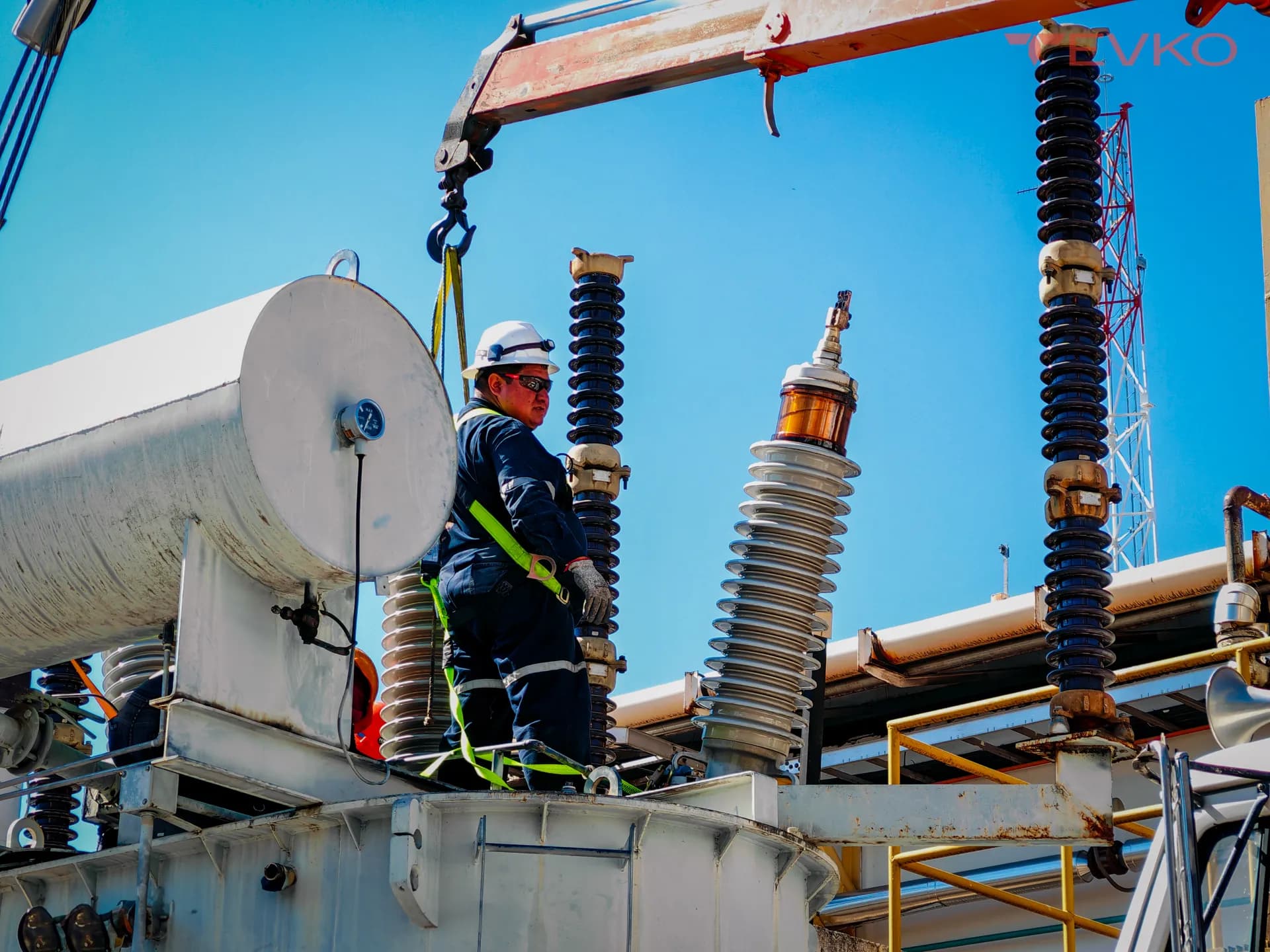
SF6 circuit breaker testing in images
Related tests and services
Talk to a transformer specialist
Tell us about your asset so we can define the assessment scope and prepare a tailored quote.