
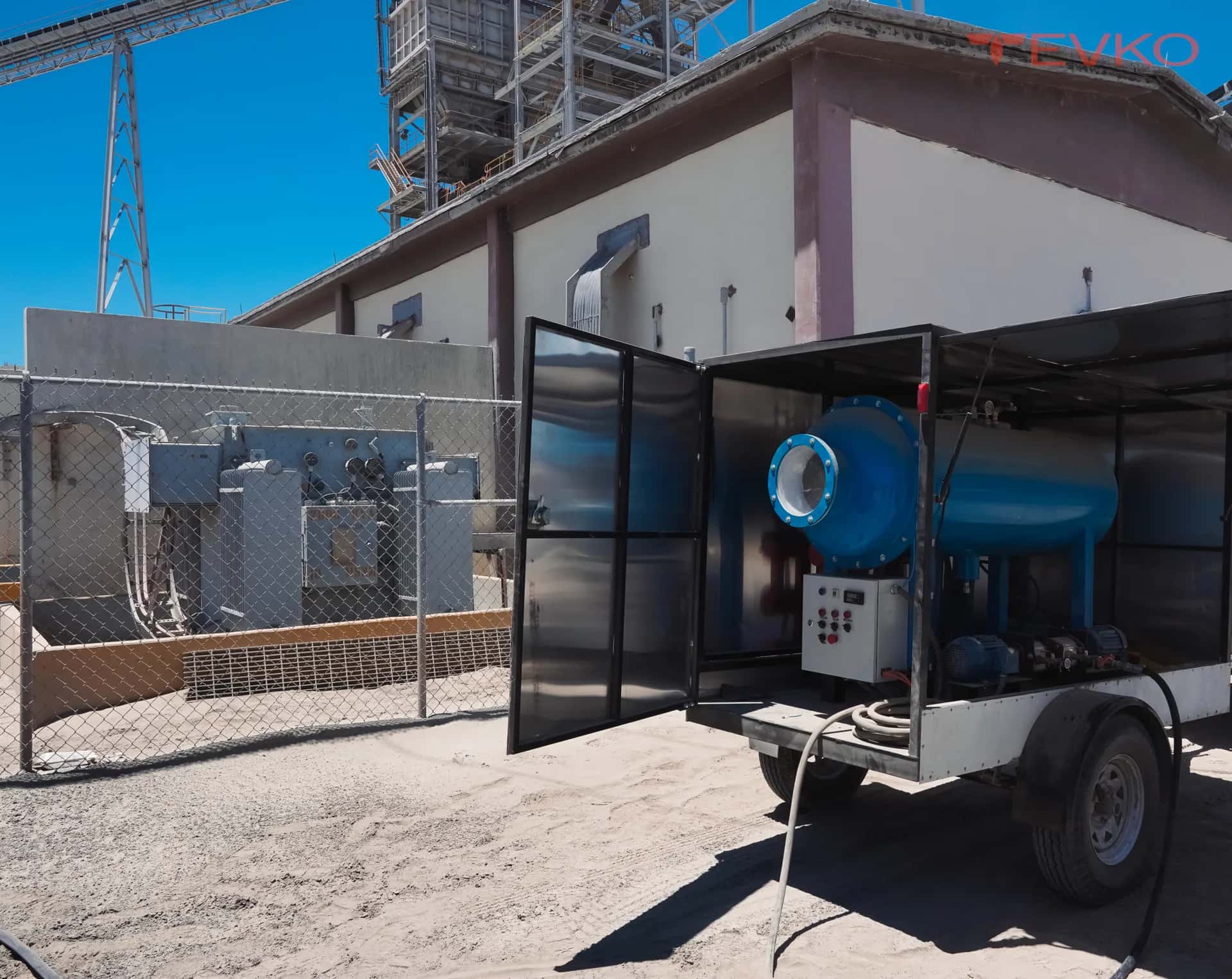
Electrical test
Furan analysis (paper ageing)
Measurement of furanic compounds in oil to estimate the ageing of the solid insulation (paper) — whose existing cellulose cannot be rejuvenated by oil treatment.
Furan analysis measures the furanic compounds the cellulose releases into the oil as it degrades. The result is an indirect ageing indicator; oil changes, paper type and operating history affect its interpretation. Insulation can be replaced as part of a viable rewind or rebuild.
When the paper insulation ages — by heat, moisture and time — it breaks down and releases furanic compounds into the oil, chiefly 2-furaldehyde (2-FAL). Measuring their concentration gives an indirect window into the condition of the solid insulation, which cannot be inspected directly without opening the transformer. It is the chemical complement to dissolved gas analysis: DGA looks at faults, furans look at ageing.
The value of the test is twofold. As an absolute level and, above all, as a trend, the furan concentration correlates with the degree of polymerization (DP) of the paper — the accepted measure of cellulose strength and remaining life. A high or rising 2-FAL points to accelerated ageing or a localized hot-spot degrading paper faster than expected.
Furan analysis is performed on an oil sample with the transformer in service, in a testing laboratory, and interpreted under references such as IEC 61198 together with the thermal-ageing framework of IEEE C57.91. At TEVKO we integrate the result with DGA, moisture and the asset's load history to answer the real question: how much life is left in the paper, and does that change a repair-or-replace decision.
What furan analysis supports
Remaining-life assessment
Estimates how much life is left in the paper insulation from furan levels and trend, correlated to degree of polymerization.
When it applies: Ageing fleets, units operating beyond nominal life, asset-management planning.
Repair-vs-replace input
Tells whether a heavy rehabilitation is worthwhile or the paper is the limiting, non-renewable component.
When it applies: Before committing to a major rehabilitation or rewind.
How we run the test
Sampling
Oil sample taken with the transformer in service, under controlled procedure to avoid contamination.
Laboratory analysis
Furanic compounds quantified in a testing laboratory (2-FAL and related compounds).
Interpretation
Level and trend correlated to degree of polymerization, integrated with DGA, moisture and load history.
Protocol
Documented report with remaining-life reading and recommendation.
Frequently asked questions — furan analysis (paper ageing)
What does furan analysis tell you about a transformer?
It estimates the ageing of the solid insulation (paper) from the furanic compounds — mainly 2-FAL — released into the oil. Oil treatment cannot rejuvenate existing cellulose; replacing insulation requires a suitable rewind or rebuild. Furan results alone do not quantify remaining life.
Why does the paper insulation matter so much?
Because oil can be reconditioned or replaced and windings can be rewound, but cellulose ages irreversibly. Insulation replacement may be feasible during rewinding. Assessment must also consider other tests, oil history, safety, scope, cost and lead time.
Is the transformer taken out of service for this test?
No. Furan analysis is done on an oil sample taken with the transformer in service, then analyzed in a testing laboratory. It is typically run alongside dissolved gas analysis and the physicochemical oil tests.
How is the furan result interpreted?
As an absolute level and especially as a trend over time. The 2-FAL concentration correlates with the degree of polymerization (DP) of the paper; a high or rising value indicates accelerated ageing or a hot-spot, interpreted together with DGA, moisture and load history.
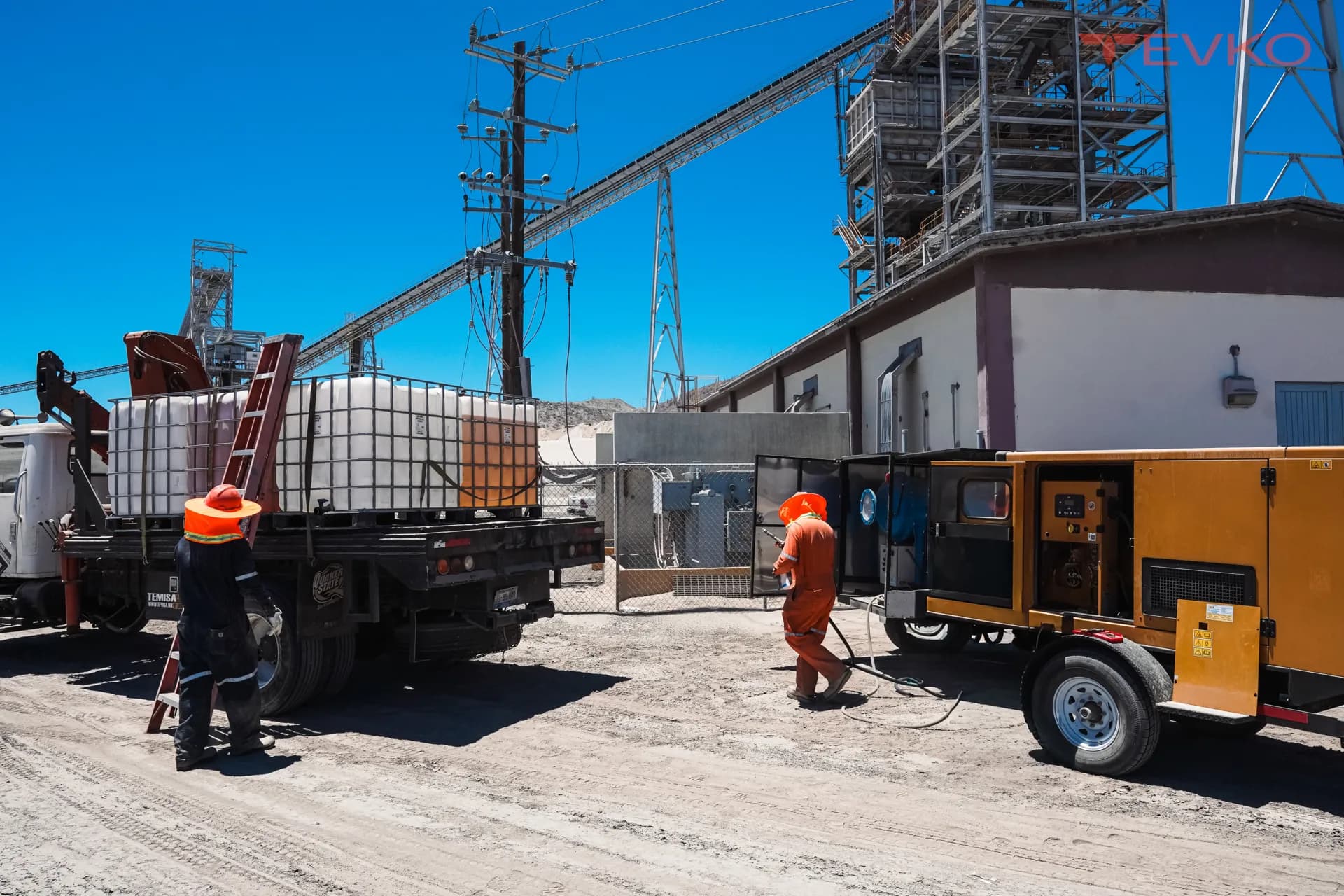
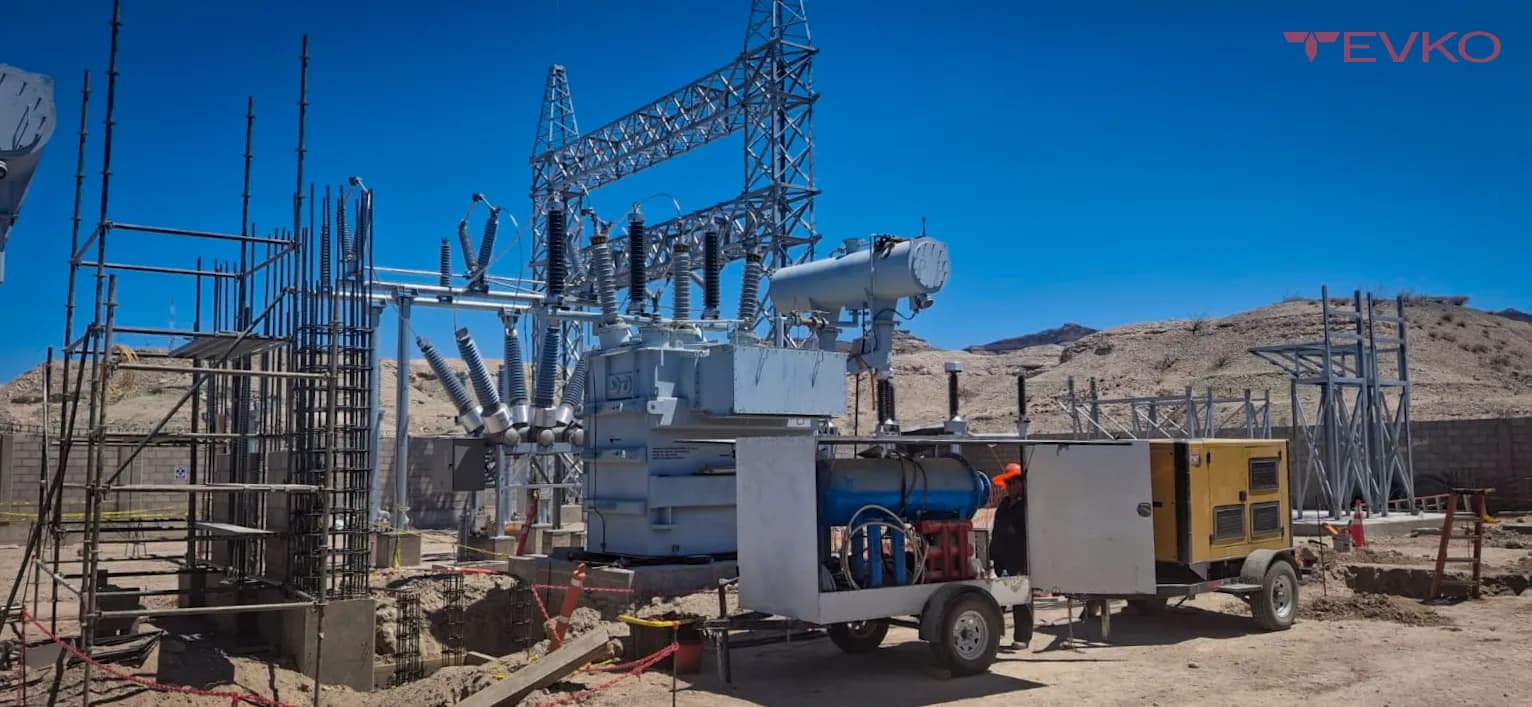
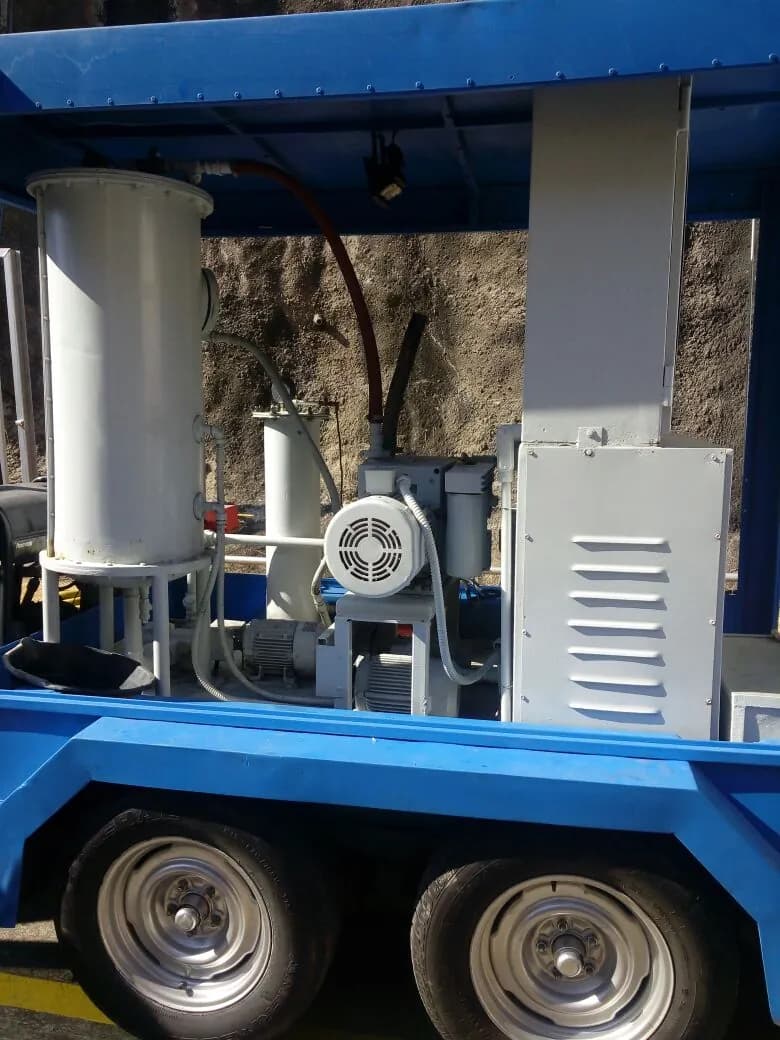
Furan analysis (paper ageing) in images
Related tests and services
Talk to a transformer specialist
Tell us about your asset so we can define the assessment scope and prepare a tailored quote.