
By TEVKO Technical Management — TEVKO · Grupo TEMISA · Published
Transformer maintenance looks like an avoidable expense… until the day the equipment fails. Then the real cost appears all at once, and it is almost always an order of magnitude greater than what was 'saved' by postponing the service. It is worth putting the numbers on the table before the failure puts them there for you.
The biggest cost is almost never the transformer: it is the production downtime. A manufacturing plant, a data center or a mine left without power lose revenue per hour at a rate that far exceeds the price of annual maintenance. In critical operations, a few hours of unplanned downtime cost more than years of a preventive program.
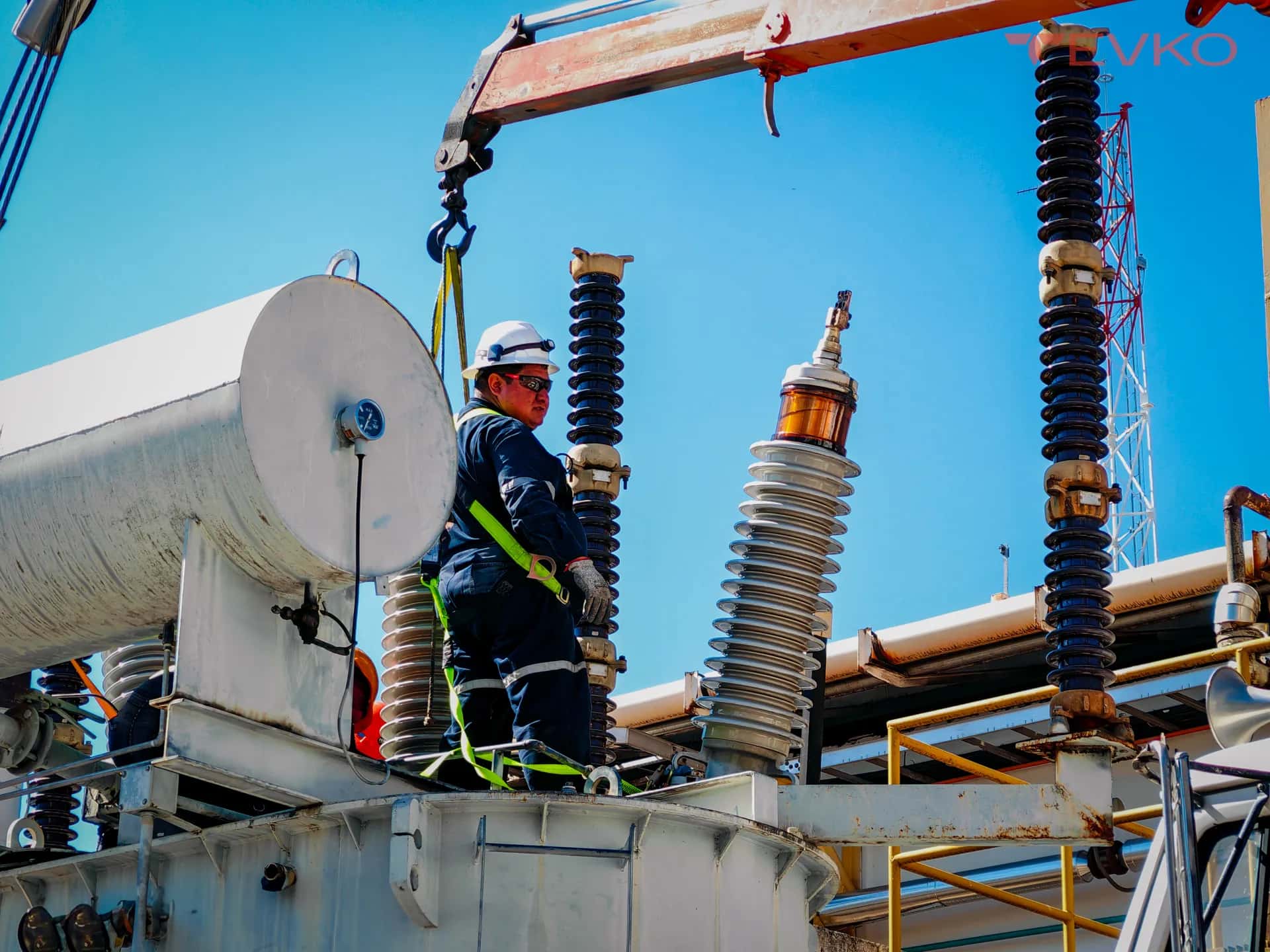
Next comes the major damage. An unattended incipient fault — moisture in the insulation, a hot spot, rising gases — rarely stays still: it progresses until it damages windings, core or bushings. What could have been solved with oil filtering or minor rehabilitation ends up requiring major repair or full replacement.
And replacement brings its own poison: lead times. A new power transformer can take months — sometimes more than a year — to build and deliver, especially with current global demand driven by data centers and electrification. Those months are months of compromised operation or expensive emergency solutions.
There are costs that don't appear on the invoice but weigh just as much: safety risk (a bushing failure can end in fire), damage to downstream equipment, and loss of warranty or compliance when there are no documented maintenance protocols. For many insurers and audits, the absence of documented maintenance is itself a problem.
Against all that, predictive maintenance — oil sampling, thermography, periodic electrical tests — is comparatively cheap and, above all, plannable: it is scheduled during an outage, without surprises. The right question is not 'how much does maintenance cost?', but 'how much does the day the transformer fails without warning cost?'. Almost always, that second figure is the one that decides.